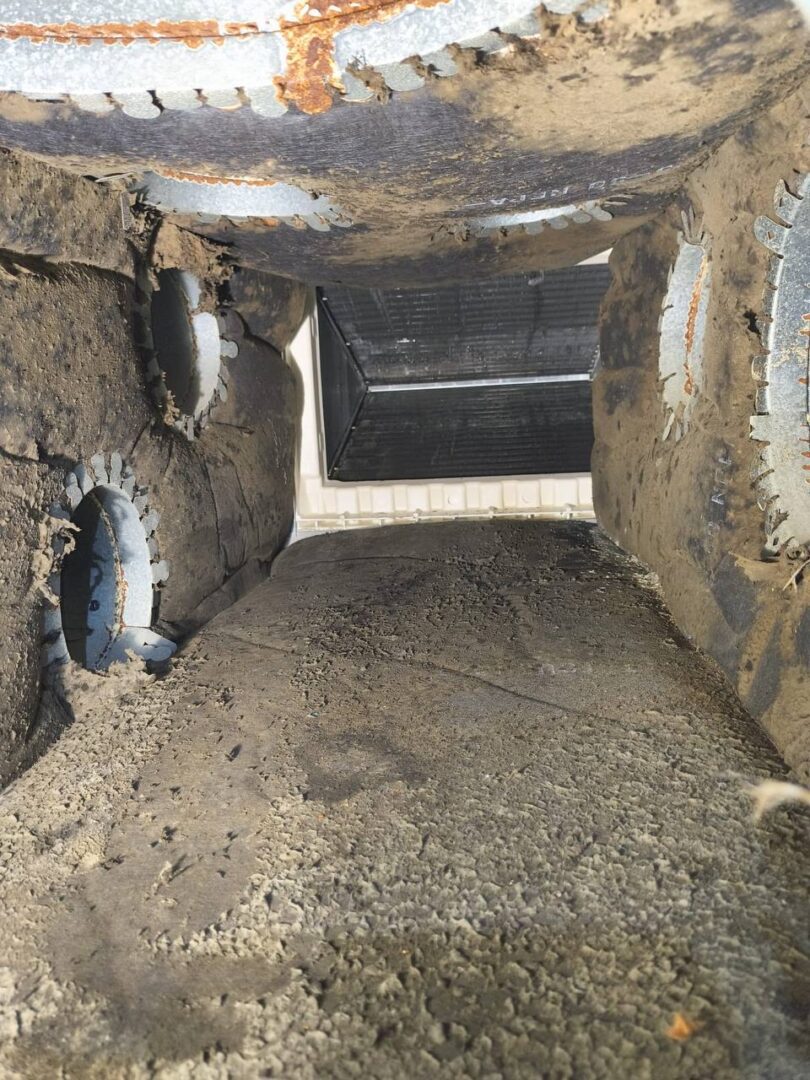
If you live in Houston and suffer from year-round sneezing, itchy eyes, congestion, headaches, and fatigue, you have probably assumed you are dealing with seasonal allergies. But in many Houston homes, the symptoms you attribute to allergies may actually be caused by mold growth inside your HVAC system.
Understanding the difference between allergy symptoms and mold exposure — and why the distinction matters for your family’s health — is one of the most important things you can know as a homeowner in this humid, allergen-rich environment.
Why Mold Exposure and Allergy Symptoms Look Identical
Both mold exposure and seasonal allergies trigger the immune system in similar ways, producing overlapping symptom profiles that make it difficult for homeowners to distinguish between the two based on symptoms alone.
Sneezing, nasal congestion, runny nose, itchy watery eyes, coughing, throat irritation, skin irritation, and persistent fatigue are common to both mold exposure and pollen allergies. This overlap means that many Houston homeowners who believe they are suffering from environmental allergies are actually experiencing chronic mold exposure from biological growth inside their HVAC system.
Key Differences That Can Help You Identify the Real Cause
**Timing matters.** Seasonal allergies in Houston follow a predictable calendar: cedar pollen from December through February, oak and grass pollen from March through September, ragweed and mold spores from August through November. If your symptoms persist year-round without any seasonal variation, or if they worsen when you are inside your home and improve when you leave, mold exposure from your HVAC system is more likely than seasonal allergies.
**Musty odors are a strong indicator of mold.** Seasonal allergies do not produce musty or earthy odors. If you notice persistent musty smells in your home — particularly when the HVAC system is running — it is a strong indicator that biological growth is present inside your ductwork, evaporator coil, or plenum box.
**Symptom location matters.** Allergy symptoms from outdoor pollen exposure are typically most severe when you are outside or near open windows and doors. Mold exposure from an HVAC system produces symptoms that are most severe inside your home, particularly in rooms served by the contaminated system.
Why This Distinction Matters for Your Health
Seasonal allergies, while uncomfortable, are generally not dangerous beyond the discomfort and quality of life impact they cause. Mold exposure, by contrast, can produce more serious health effects including chronic respiratory irritation, asthma exacerbation, fungal sinus infections, neurological symptoms such as persistent headaches and difficulty concentrating, and in some cases more serious health effects for individuals with compromised immune systems or pre-existing respiratory conditions.
Treating chronic mold exposure with allergy medications alone addresses the symptoms without addressing the root cause: active biological growth inside your HVAC system that is continuously distributing spores into your living spaces every time the system cycles on.
What You Can Do If You Suspect Mold Exposure
Schedule a professional inspection of your HVAC system. Our NADCA-certified technicians will examine all 8 components — return ducts, evaporator coils, blower fan, heating chamber, plenum box, supply ducts, register boxes, and grills — for visible mold growth and document the condition of every component with photographs. If mold is identified, we will provide a clear remediation plan that addresses the source of the contamination.
[Book a Free Inspection](https://crm.ahchooindoorair.com/book)
AH-CHOO! Indoor Air Quality serves Houston, Austin, San Antonio, and South Louisiana. NADCA certified. Average job time: 7 hours. 8 components cleaned every service. 38 years of experience.
Related AH-CHOO resources: Houston air duct cleaning; schedule a free inspection.