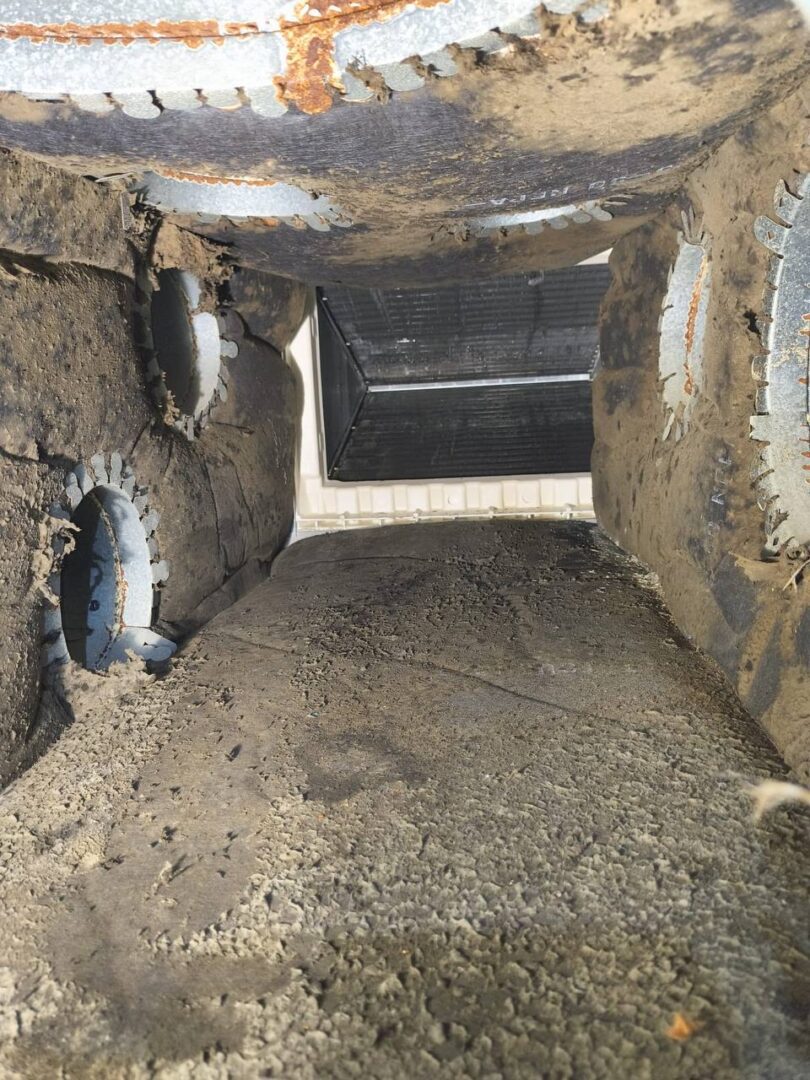
Mold growth inside air ducts is one of the most frustrating indoor air quality problems a Houston homeowner can face. Most often, the homeowner notices a musty or earthy odor that comes and goes with the operation of the HVAC system. By the time you notice visible signs, mold has typically been growing inside your HVAC system for weeks or months.
Why Houston Ductwork Is So Vulnerable to Mold Growth
Mold requires three things to establish and spread: moisture, a food source, and a temperature range between approximately 40 and 100 degrees Fahrenheit. Houston-area HVAC systems routinely provide all three simultaneously throughout the year.
**Moisture from condensation on cooling surfaces.** When your air conditioner operates, warm humid air passes over the cold evaporator coil. The temperature differential causes water vapor to condense on the coil surface. This condensate is supposed to drain away through the condensate drain line. But any interruption in drainage — partial clog, damaged drain pan, slow-flowing debris accumulation — allows moisture to persist on and around the coil.
**Organic debris as a food source.** Pollen from cedar, oak, pine, and grass. Pet dander and skin cells. Dust mite debris from carpets and furnishings. Construction dust from rapid Houston development. When this organic debris settles on moist interior duct surfaces, it becomes a nutrient-rich substrate for mold spores that are naturally present in outdoor air.
**Appropriate temperatures year-round.** An operating HVAC system provides temperatures well within the range where the most common indoor mold species grow actively. Houston’s warm climate means there is no seasonal break from mold growth conditions inside your system.
Where Mold Grows Most Commonly Inside Houston-Ductwork
The evaporator coil is the most common site because it combines persistent moisture with accumulated organic debris that provides nutrition for spores. The plenum box is the second most critical site because it collects debris from every connected duct branch and experiences the most dramatic temperature and humidity fluctuations. Interior surfaces of return ducts are where outdoor contaminants first enter the system and settle most heavily.
What You Can Do to Prevent Mold Growth
Keep your condensate drain line clear by inspecting and clearing it at least twice per year. A clogged drain line is one of the most common causes of excess moisture accumulation inside Houston area HVAC systems. Maintain indoor relative humidity below 55 percent using appropriate dehumidification. Replace air filters every 30 to 60 days so clean filters capture more particulate matter before it can enter the duct system and settle on moist surfaces.
Schedule professional air duct cleaning every 3 to 5 years to eliminate the organic debris layer on interior surfaces that mold feeds on. Homes with pets, allergy sufferers, or those that have experienced water intrusion should clean every 2 to 3 years.
Book Your Free Inspection
If you want a thorough assessment of your HVAC system’s mold risk profile, schedule a free inspection today. Our NADCA-certified technicians will document the condition of all 8 components and provide an honest, evidence-based recommendation.
[Book a Free Inspection](https://crm.ahchooindoorair.com/book)
AH-CHOO! Indoor Air Quality serves Houston, Austin, San Antonio, and South Louisiana. NADCA certified. Average job time: 7 hours. 8 components cleaned every service. 38 years of experience.
Related AH-CHOO resources: Houston air duct cleaning; schedule a free inspection.