If you are concerned about the air quality inside your Houston home, you are not alone. Houston’s extreme humidity, heavy seasonal allergen loads, and proximity to industrial corridors create indoor air quality challenges that are among the most significant in the United States. When family members experience persistent allergy symptoms, musty odors, or respiratory irritation, the natural question is whether indoor air quality testing can identify the source of the problem.
Understanding what indoor air quality testing can and cannot tell you — and how professional HVAC assessment fits into the broader picture of home air quality management — will help you make informed decisions about protecting your family’s health.
What Indoor Air Quality Testing Measures
Professional indoor air quality testing in Houston typically assesses several categories of airborne contaminants:
**Particulate matter measurement.** Air quality monitors measure the concentration of fine particles (PM2.5 and PM10) that remain suspended in indoor air. These particles include dust, pollen, pet dander, mold spores, and construction dust. Elevated particulate levels indicate that contaminants are present in the air at concentrations that may trigger allergy symptoms or respiratory irritation.
**Biological contamination testing.** Air and surface sampling can identify the presence and concentration of mold spores, bacteria, and other biological contaminants in indoor air. When mold is suspected inside an HVAC system, air sampling before and after the system operates can help determine whether the system is distributing biological contaminants into living spaces.
**Volatile organic compound testing.** VOC testing measures the concentration of chemical compounds that evaporate at room temperature from building materials, cleaning products, personal care products, and outdoor industrial emissions. Houston’s proximity to the petrochemical complex along the Houston Ship Channel means that some homes are exposed to chemical pollutant levels that exceed what is found in other cities.
**Humidity and temperature assessment.** Indoor relative humidity and temperature measurements help identify conditions that support mold growth and dust mite reproduction. Homes with indoor humidity consistently above 55 percent are at elevated risk for biological contamination inside the HVAC system.
What Air Quality Testing Cannot Tell You
**The source of contamination.** Air quality testing tells you what is in the air, but it does not tell you where the contamination is coming from. Mold spores in indoor air could originate from the HVAC system, from the building structure, from outdoor air, or from a combination of sources.
**Whether your HVAC system needs cleaning.** Air quality test results alone cannot determine whether your HVAC system is contributing to indoor air quality problems. A professional inspection of the HVAC system itself — documenting the condition of the evaporator coil, plenum box, ductwork, and other components — is necessary to make that determination.
**What remediation is needed.** Air quality testing documents the presence and concentration of contaminants. It does not provide a remediation plan. That plan must be developed by a qualified professional who has assessed the physical condition of your HVAC system and your home’s environmental conditions.
When HVAC System Assessment Is More Valuable Than Air Quality Testing
For most Houston homeowners who are concerned about indoor air quality, a professional HVAC system assessment provides more actionable information than standalone air quality testing.
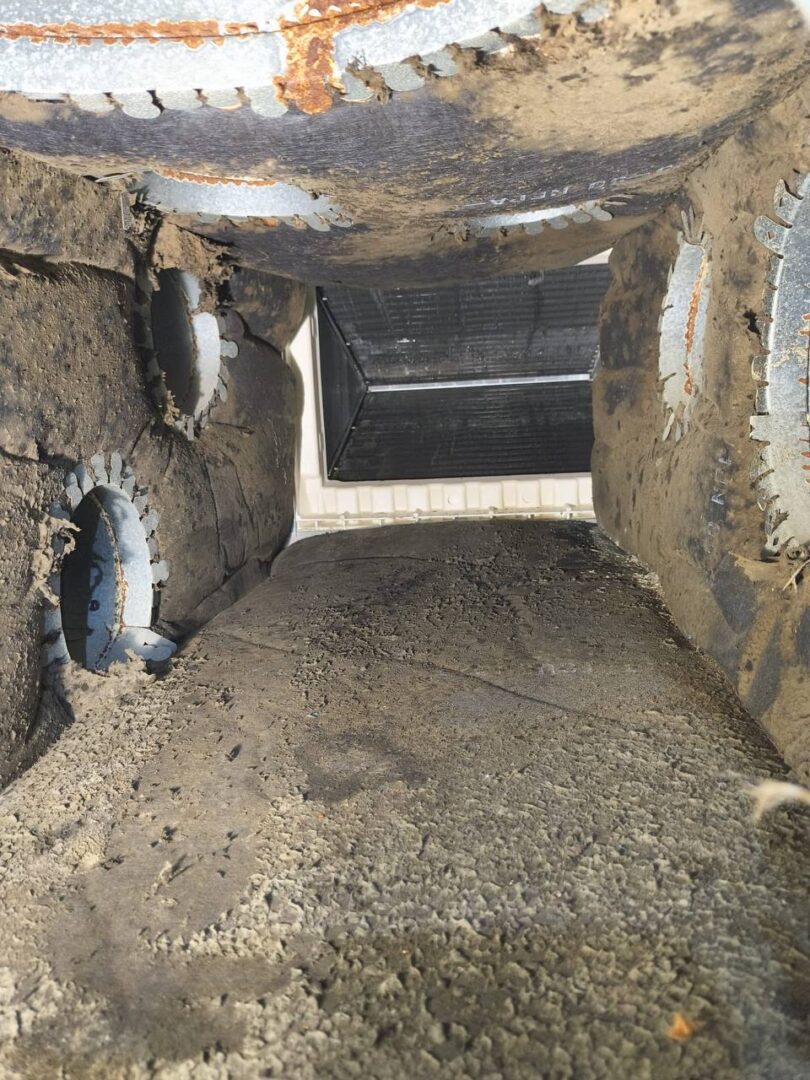
During our NADCA-certified system inspection, we document the actual, physical condition of all 8 HVAC components that affect indoor air quality: return ducts, evaporator coils, blower fan, heating chamber, plenum box, supply ducts, register boxes, and grills. We photograph the interior surfaces of accessible components and provide you with a clear picture of what is inside your system.
This physical documentation is far more useful for making a cleaning or remediation decision than air quality test results that document the presence of contaminants without identifying their source. If your system is visibly contaminated, the source of your indoor air quality problems has been identified and the remediation path is clear.
How to Interpret Air Quality Test Results
If you have commissioned air quality testing for your Houston home, the results should be interpreted in the context of outdoor air quality measurements from the same time period. Because Houston’s outdoor air carries significant pollutant loads from industrial sources, allergens, and construction activity, elevated indoor measurements may reflect outdoor conditions rather than a source of indoor contamination.
When indoor measurements significantly exceed outdoor measurements taken simultaneously, that differential is more likely to indicate an indoor source of contamination — and the HVAC system is one of the most common indoor sources of airborne contaminants in Houston homes.
What to Do Next
If you are concerned about indoor air quality in your Houston home, we recommend starting with a free professional inspection of your HVAC system. Our NADCA-certified technicians will document the condition of all 8 components and help you understand whether system contamination is contributing to your indoor air quality concerns.
From there, if additional air quality testing is warranted, we can provide guidance on what types of testing are most useful and how to interpret the results in the context of your specific home environment.
[Book a Free Inspection](https://crm.ahchooindoorair.com/book)
AH-CHOO! Indoor Air Quality serves Houston, Austin, San Antonio, and South Louisiana. NADCA certified. Average job time: 7 hours. 8 components cleaned every service. 38 years of experience.
Related AH-CHOO resources: Houston air duct cleaning; schedule a free inspection.