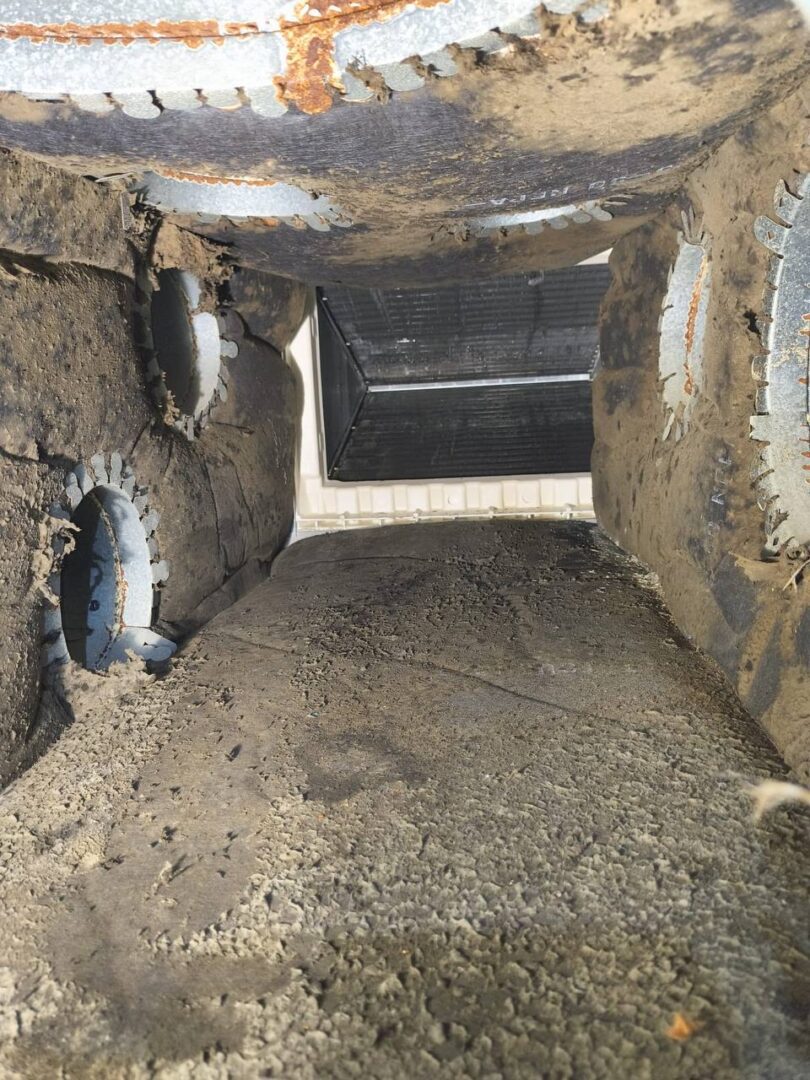
Mold growth inside air ducts is one of the most overlooked indoor air quality problems in Houston. By the time most homeowners notice visible mold or a musty odor coming from their vents, mold has already been growing inside the HVAC system for weeks or months. In Houston’s extreme humidity, mold colonization can begin within 24 to 48 hours of moisture exposure and reach maturity in as little as a week.
The good news is that mold growth in your air ducts is preventable. Understanding the specific conditions that create mold risk in Houston homes and the proactive steps you can take to eliminate those conditions will help you keep your HVAC system clean, safe, and functioning efficiently.
Why Houston Ducts Are So Vulnerable to Mold
Mold needs three conditions to grow: moisture, a food source, and appropriate temperatures. Houston homes routinely provide all three continuously.
**Moisture from condensation.** When your A/C runs, warm humid air passes over the cold evaporator coil, creating condensation. This condensation is normal and expected. But when it accumulates on interior duct surfaces, the plenum box, or the coil itself, it creates persistent moisture conditions where mold colonies establish rapidly.
**Organic debris as food.** The debris your system pulls in — pollen, pet dander, dust, skin cells, construction dust — settles on moist interior surfaces and becomes a food source for mold spores that are naturally present in the outdoor air.
**Houston’s humidity.** Our average humidity exceeds 60 percent most of the year. Even when the A/C is not running, humidity in the attic, crawlspace, and around the air handler creates conditions where mold can persist and spread.
6 Essential Steps to Prevent Mold in Your Houston Ducts
### 1. Keep Your Indoor Humidity Below 55 Percent
This is the single most impactful step you can take. When indoor relative humidity stays below 55 percent, the conditions that support mold growth are significantly reduced. Use a whole-home dehumidifier if your HVAC system does not adequately control humidity, especially during the summer months when outdoor humidity exceeds 70 percent.
### 2. Replace Air Filters On Schedule
For most Houston homes, standard 1-inch filters should be replaced every 30 to 60 days. Higher-capacity 4-inch or 5-inch pleated media filters should be replaced every 6 to 12 months according to manufacturer guidelines. Clean filters capture more particulate matter before it can enter the duct system and settle on moist surfaces inside.
### 3. Fix Water Intrusion Immediately
Any water intrusion event — roof leaks, plumbing failures, flooding, or condensate drain overflow — introduces significant moisture into your HVAC system that creates an immediate mold risk. Address water intrusion promptly and have your HVAC system professionally assessed after any significant water event.
### 4. Insulate Exposed Ductwork in Unconditioned Spaces
Ducts that run through attics, crawlspaces, or garages should be properly insulated to prevent condensation on the exterior surface of the ductwork. When warm humid air contacts cold duct surfaces in unconditioned spaces, condensation forms and creates conditions where mold can grow on the exterior and eventually penetrate the interior of the duct.
### 5. Schedule Annual Condensate Drain Maintenance
Inspect and clear the condensate drain line at least twice per year — once in the spring before the cooling season begins and once in the fall after it ends. A clogged drain line is one of the most common causes of excess moisture accumulation inside the HVAC system, which creates ideal conditions for mold growth on the evaporator coil and in the plenum box.
### 6. Professional Air Duct Cleaning Every 3 to 5 Years
The organic debris layer that accumulates inside your HVAC system over months of operation provides a continuous food source for mold spores. Professional source removal cleaning eliminates this debris layer from all 8 HVAC components: return ducts, evaporator coils, blower fan, heating chamber, plenum box, supply ducts, register boxes, and grills.
For Houston homes, we recommend cleaning every 3 to 5 years. Homes with pets, allergy sufferers, or recent construction activity should schedule cleaning every 2 to 3 years.
Signs Mold May Already Be Growing Inside Your System
Even with preventive measures, mold growth can establish. Watch for these warning signs:
**Persistent musty or earthy odors when the HVAC system is running.** The most common indicator of active mold growth. Musty odors that appear or intensify when the system cycles on suggest mold colonization on interior surfaces that are not visible from the living spaces.
**Visible mold growth on accessible components.** If you can see mold on the interior surfaces of vent registers, inside the plenum box through an access panel, or on the evaporator coil through its inspection port, mold colonization has reached a visible stage.
**Increased allergy symptoms or respiratory irritation at home.** Mold spores distributed through ductwork are circulated throughout every room when the system operates. If household members experience symptoms that improve when away from home and worsen upon return, duct mold is a likely contributor.
When Professional Help Is Needed
If you have identified mold growth inside your HVAC system, or if you have experienced water intrusion and are concerned about mold risk, schedule a professional assessment. Our NADCA-certified technicians will document the condition of all 8 components and determine whether standard cleaning or professional mold remediation is required based on the extent of colonization.
Book Your Free Mold Risk Inspection
If you want a thorough, no-pressure evaluation of your HVAC system’s mold risk profile, schedule a free inspection with our NADCA-certified technicians today. We will document the condition of all 8 components and provide an honest recommendation based on what we find.
[Book a Free Inspection](https://crm.ahchooindoorair.com/book)
AH-CHOO! Indoor Air Quality serves Houston, Austin, San Antonio, and South Louisiana. NADCA certified. Average job time: 7 hours. 8 components cleaned every service. 38 years of experience.
Related AH-CHOO resources: Houston air duct cleaning; schedule a free inspection.