# How to Prepare Your HVAC System Before Hurricane Season: A Houston Area Homeowner’s Checklist
Hurricane season in Houston begins June 1, and if there’s one thing Hurricane Harvey taught the Houston metro area, it’s that preparation before the storm is the only thing that gives you options after it. For Houston-area homeowners, preparing your HVAC system before hurricane season is one of the most overlooked but consequential steps in your property protection plan.
This guide walks through exactly what Houston homeowners should do with their HVAC systems before hurricane season, and what to do if your home is affected by a storm.
## Before the Storm: HVAC Preparation Steps
**Step 1 — Document your system’s current condition (May-June).**
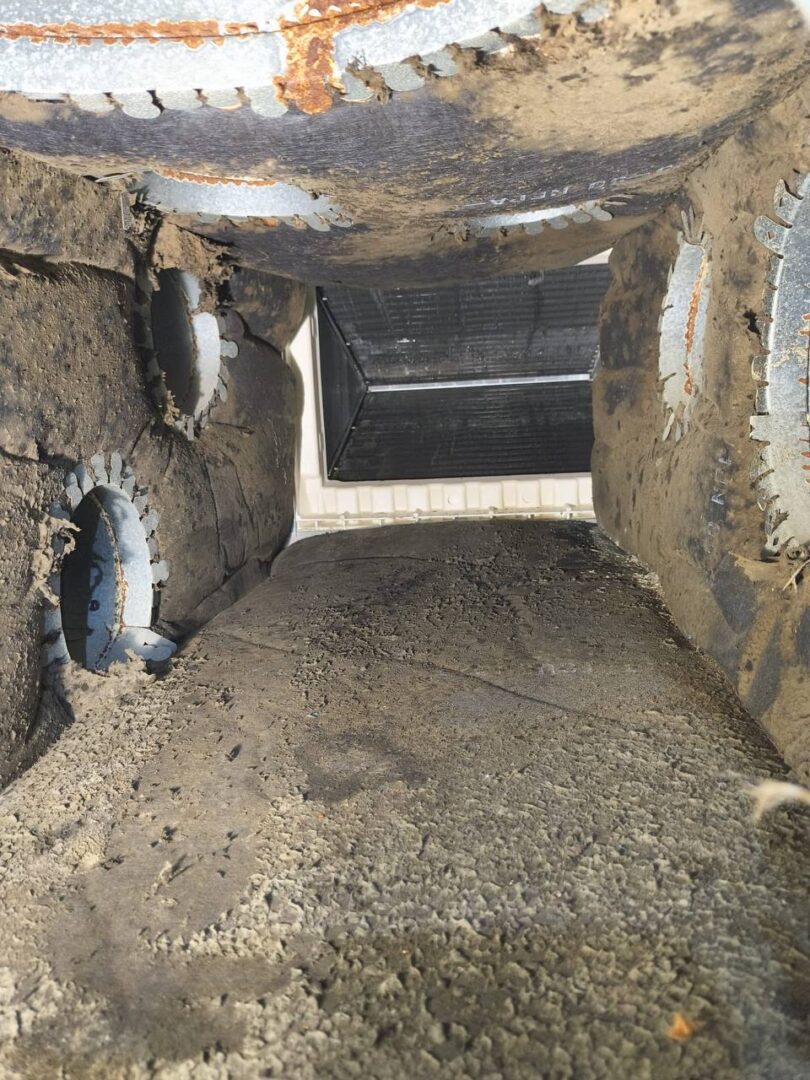
Before June 1, schedule a professional inspection of your HVAC system. A NADCA-certified inspection documents the baseline condition of your ductwork and equipment. This documentation is critical for insurance claims and, if your property is affected by a storm, allows you to demonstrate whether damage was pre-existing or caused by the event. If your home is affected by a storm and you later file an insurance claim, the difference between documented pre-storm condition and post-storm damage can be the difference between a covered claim and a denied one.
**Step 2 — Secure the outdoor condensing unit.**
The outdoor condensing unit is the most vulnerable part of your HVAC system. Secure it by:
– Clearing the area around the unit of debris, furniture, and landscaping materials that could become projectiles in high winds
– Checking that the unit is properly anchored to its pad (bolted, not just sitting)
– Trimming any trees or shrubs that could fall onto the unit during high winds
– For homeowners in flood-prone areas, consider a temporary flood barrier around the unit if time permits
**Step 3 — Turn off power to the outdoor unit.**
When you evacuate and the storm approaches, turn off the disconnect switch near the outdoor unit. This prevents the system from attempting to run during a power surge or when conditions could damage the compressor. Do not turn the unit back on until you can verify the system is functioning properly — surges and outages during storms can damage components that aren’t immediately obvious.
**Step 4 — Protect supply and return registers.**
If you’re using hurricane shutters or plywood over windows, take a moment to check that supply and return vents inside the home are not covered or blocked. Blocking supply vents doesn’t protect them — it just restricts airflow and can cause pressure imbalances that affect system performance.
**Step 5 — Check your drain line.**
The condensate drain line carries moisture from the evaporator coil to your drain system. In Houston’s humidity, a clogged drain can cause water to back up into your home even when the system isn’t running. Before hurricane season, verify the drain line is clear and properly draining.
## If Your Home Is Affected by Flooding
If your home experiences flooding, the most important rule is: do not turn on your HVAC system until it has been professionally inspected. This applies even if the system appears to be operating normally — the damage may not be immediately apparent, and running a flood-affected system can cause the damage to spread.
**Why running a flood-affected system is dangerous:**
– Floodwater introduces contaminants into the ductwork that will circulate through your home when the system operates, including bacteria, viruses, and chemical contaminants from floodwater
– Water may have entered the air handler cabinet, saturating insulation, corroding electrical components, and creating conditions for rapid biological growth
– Running the system after flooding can spread mold spores throughout the living spaces, affecting air quality in every room the ductwork serves
– If the electrical components have been compromised, running the system creates a safety hazard
**What professional inspection covers:**
A NADCA-certified technician will assess:
– Whether the air handler, evaporator coil, and blower wheel require cleaning or replacement
– Whether the ductwork has absorbed water and whether contamination has penetrated the sealed duct system
– Whether the electrical components and controls have been affected
– Whether the plenum box and heating chamber have been compromised
**Documentation for insurance:**
Professional inspection provides photographic documentation of the system’s condition after the flood, which is essential for insurance claims. AH-CHOO! provides full documentation for insurance purposes, including photographic evidence of contamination found and cleaning performed.
## The Mold Growth Timeline After Flooding
In Houston’s climate, mold can begin growing inside HVAC components within 24-48 hours of a water intrusion event. The combination of warmth, humidity, and organic material in the ductwork creates ideal conditions for rapid colonization.
This means that the window for effective remediation after flooding is extremely short. The faster you can schedule professional assessment after floodwater recedes, the better the outcome for your system and your home’s indoor air quality. Waiting to see if mold develops is not an option in Houston’s climate — by the time mold is visible, it has already penetrated surfaces and spread throughout the duct system.
For Houston homeowners who experienced Hurricane Harvey, the homes that fared best were those that received professional HVAC assessment and remediation within days of the flood — not weeks or months later. The difference in remediation cost between 48 hours and 2 weeks after flooding is substantial.
## Pre-Hurricane-Season Inspection: What AH-CHOO! Provides
AH-CHOO! offers pre-hurricane-season HVAC inspections that include:
– Full documentation of system condition with photographs at all accessible components
– Assessment of all 8 HVAC components: return ducts, evaporator coil, blower wheel, heating chamber, plenum box, supply ducts, register boxes, and grilles
– Written recommendations for any maintenance, cleaning, or remediation needed
– NADCA-certified inspection report suitable for insurance documentation
The inspection takes approximately 1-2 hours and provides you with baseline documentation that protects you in the event your property is affected by a storm. This documentation is particularly valuable for homeowners in flood-prone areas who want to have clear records of their system’s pre-storm condition.
**Why this documentation matters for insurance:**
After Hurricane Harvey, many Houston homeowners discovered that their insurance claims for HVAC damage were complicated by the inability to demonstrate what their system’s pre-flood condition had been. Without baseline documentation, insurance adjusters had no way to distinguish between pre-existing contamination and flood-related damage. A professional inspection before June 1 provides that documentation — photographs, written assessment, and NADCA-certified reporting that establishes what was there before the storm.
**What the inspection doesn’t cover:**
A pre-hurricane-season inspection is a visual and physical assessment of accessible components. It does not include invasive testing, destructive inspection, or remediation of conditions that are discovered. If the inspection reveals significant pre-existing contamination, you have time before hurricane season to schedule professional cleaning to address it. This documentation is particularly valuable for homeowners in flood-prone areas who want to have clear records of their system’s pre-storm condition.
## Why Houston Homeowners Can’t Afford to Skip HVAC Hurricane Preparation
Hurricane Harvey caused over 300,000 homes to flood in the Houston metro. Many of those homeowners discovered too late that their HVAC systems had been compromised — and that without pre-storm documentation, their insurance claims were significantly more complicated. A professional inspection before June 1 costs a fraction of what you’ll spend on HVAC remediation if your home is affected and you have no documentation of your system’s pre-storm condition.
AH-CHOO! Indoor Air Quality serves Houston, Austin, San Antonio, and South Louisiana. NADCA certified. Average job time: 7 hours. 8 components cleaned every service. 38 years of experience.
[Schedule Your Pre-Hurricane HVAC Inspection](https://crm.ahchooindoorair.com/book)
Related AH-CHOO resources: Houston air duct cleaning; schedule a free inspection.