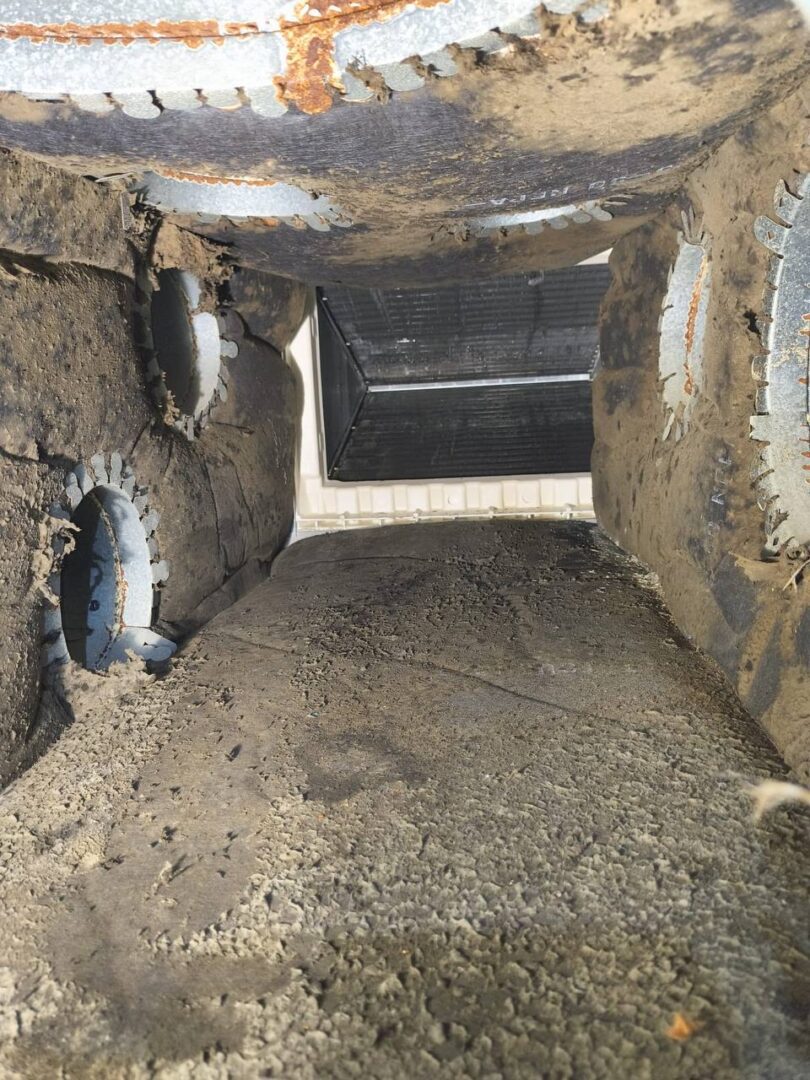
If you live in Houston and have ever wondered why your family’s allergies seem worse at home than anywhere else, or why musty odors linger despite fresh paint and new carpet, the answer may be hiding inside the most overlooked system in your home: your HVAC ductwork.
Houston’s extreme humidity, extended cooling season, heavy seasonal allergen loads, and proximity to industrial emission sources combine to create one of the most challenging indoor air quality environments in the United States. Understanding the specific factors that affect the air inside your home — and what you can do about them — starts with understanding your HVAC system.
What Makes Houston Indoor Air Quality Unique
Houston consistently ranks near the bottom among major American cities for outdoor air quality. The combination of emissions from the Houston Ship Channel and surrounding petrochemical complex, vehicle exhaust from one of the nation’s largest metropolitan road networks, seasonal allergens from the region’s massive tree canopy, and the humidity that acts as a carrier for mold spores creates an outdoor environment that is already challenging.
When your HVAC system pulls that outdoor air inside, contaminants become trapped and concentrated in enclosed living spaces where the Environmental Protection Agency has shown that indoor air can be up to five times more polluted than outdoor air.
What Pollutes the Air Inside Your Home
Allergens from cedar, oak, pine, and grass pollen enter through return vents during peak seasons. Pet dander and skin cells accumulate continuously. Construction dust from Houston’s rapid development adds fine particulate matter. Mold spores from the humid outdoor environment enter through fresh air intake and find ideal growing conditions on the moist surfaces of the evaporator coil and interior ductwork.
When these contaminants accumulate inside your HVAC system over months of continuous operation, they create a reservoir of airborne irritants that are continuously redistributed into every room whenever the system cycles on. This is why many Houston residents notice that their allergy symptoms are worse inside their home than when they are away.
What You Can Do
Replace air filters every 30 to 60 days during peak allergen seasons. Control indoor humidity below 55 percent using appropriate dehumidification. Schedule professional air duct cleaning every 3 to 5 years to eliminate accumulated contaminants from all 8 HVAC components. Address water intrusion events immediately before mold establishes inside the system.
Schedule your free inspection today. Our NADCA-certified technicians will document the condition of all 8 components and provide an honest assessment.
[Book a Free Inspection](https://crm.ahchooindoorair.com/book)
AH-CHOO! Indoor Air Quality serves Houston, Austin, San Antonio, and South Louisiana. NADCA certified. Average job time: 7 hours. 8 components cleaned every service. 38 years of experience.
Related AH-CHOO resources: Houston air duct cleaning; schedule a free inspection.