Indoor air quality is one of the most overlooked aspects of home ownership in Houston. We invest in water filtration systems, security systems, and energy-efficient windows, yet the air we breathe inside our homes for 90 percent or more of our time is rarely a topic of conversation — until allergy symptoms, musty odors, or unexplained respiratory irritation force the issue.
Understanding the specific indoor air quality challenges that Houston homes face, what causes them, and what you can do about them will help you protect your family’s health and your home’s long-term condition.
Why Houston Indoor Air Quality Is Unique in the United States
Houston’s combination of extreme humidity, heavy seasonal allergen loads, proximity to industrial emission sources, and ongoing construction activity creates an indoor air quality profile that is fundamentally different from that of most other major American cities.
**Extreme humidity.** Houston average relative humidity exceeds 60 percent for the majority of the year and regularly reaches 75 to 85 percent during summer months. This elevated humidity creates persistent moisture conditions inside HVAC systems that support mold and bacterial growth on interior duct surfaces, evaporator coils, and plenum boxes.
**Extended allergen season.** The Houston area experiences an allergen calendar that extends across ten or more months of the year. Cedar pollen from December through February. Oak, pine, and grass pollen from March through September. Ragweed and fall mold spores from August through November. During this extended season, your HVAC system is continuously collecting allergenic particles and depositing them on interior surfaces of your duct system.
**Industrial and construction particulates.** Houston’s status as the energy capital of North America and its ongoing rapid residential and commercial development means that industrial emissions and construction dust are a constant presence in the outdoor air that enters your HVAC system.
What Contributes to Poor Indoor Air Quality in Houston Homes
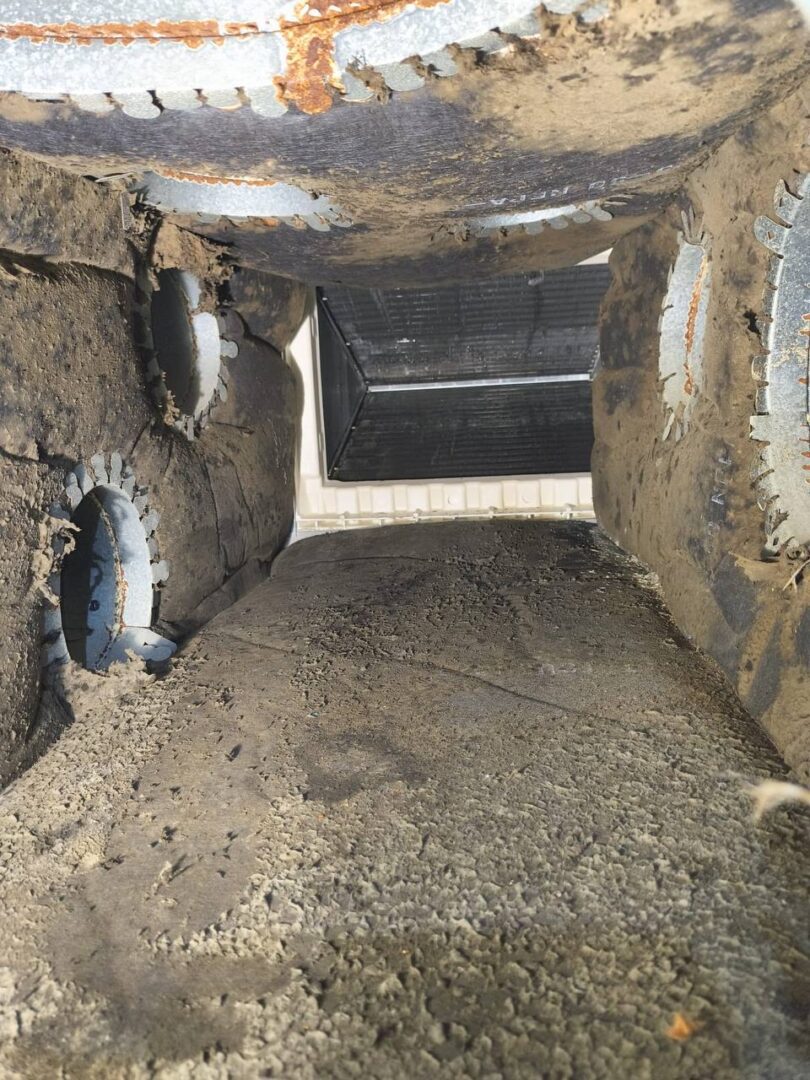
The most significant source of indoor air contamination in Houston area homes is the HVAC system itself. When dust, pollen, pet dander, mold spores, and construction dust accumulate on interior surfaces of your ductwork, evaporator coil, and plenum box, they create a reservoir of airborne contaminants that are continuously redistributed into your living spaces every time the system operates.
This contamination is invisible from your living spaces and would not be identified during a standard visual home inspection. The only way to assess the condition of your HVAC system is through a professional inspection that includes examination of accessible interior surfaces of the ductwork, evaporator coil, and plenum box.
What You Can Do to Improve Your Indoor Air Quality
**Professional HVAC cleaning on a regular schedule.** The single most impactful step you can take is to have your HVAC system professionally cleaned every 3 to 5 years for most homes, or every 2 to 3 years for homes with pets, allergy sufferers, or recent construction activity. Professional NADCA-certified source removal cleaning eliminates accumulated contaminants from all 8 HVAC components.
**Regular filter replacement.** Standard 1-inch filters should be replaced every 30 to 60 days. During peak pollen season, consider replacing filters every 20 to 30 days. Upgrading to MERV 8 to MERV 11 filters captures more of the particulate matter that would otherwise enter your duct system.
**Indoor humidity control.** Maintaining indoor relative humidity below 55 percent eliminates the conditions that support mold growth and dust mite reproduction. Use a whole-home dehumidifier if your HVAC system does not adequately control humidity.
**Prompt water intrusion remediation.** Any water intrusion event should be addressed immediately, followed by a professional assessment of your HVAC system for contamination that may have resulted from the event.
Book Your Free Indoor Air Quality Inspection
If you want to understand the current condition of your Houston home’s HVAC system and what it is contributing to the air your family breathes, schedule a free inspection today. Our NADCA-certified technicians will document the condition of all 8 components and provide an honest assessment.
[Book a Free Inspection](https://crm.ahchooindoorair.com/book)
AH-CHOO! Indoor Air Quality serves Houston, Austin, San Antonio, and South Louisiana. NADCA certified. Average job time: 7 hours. 8 components cleaned every service. 38 years of experience.
Related AH-CHOO resources: Houston air duct cleaning; schedule a free inspection.