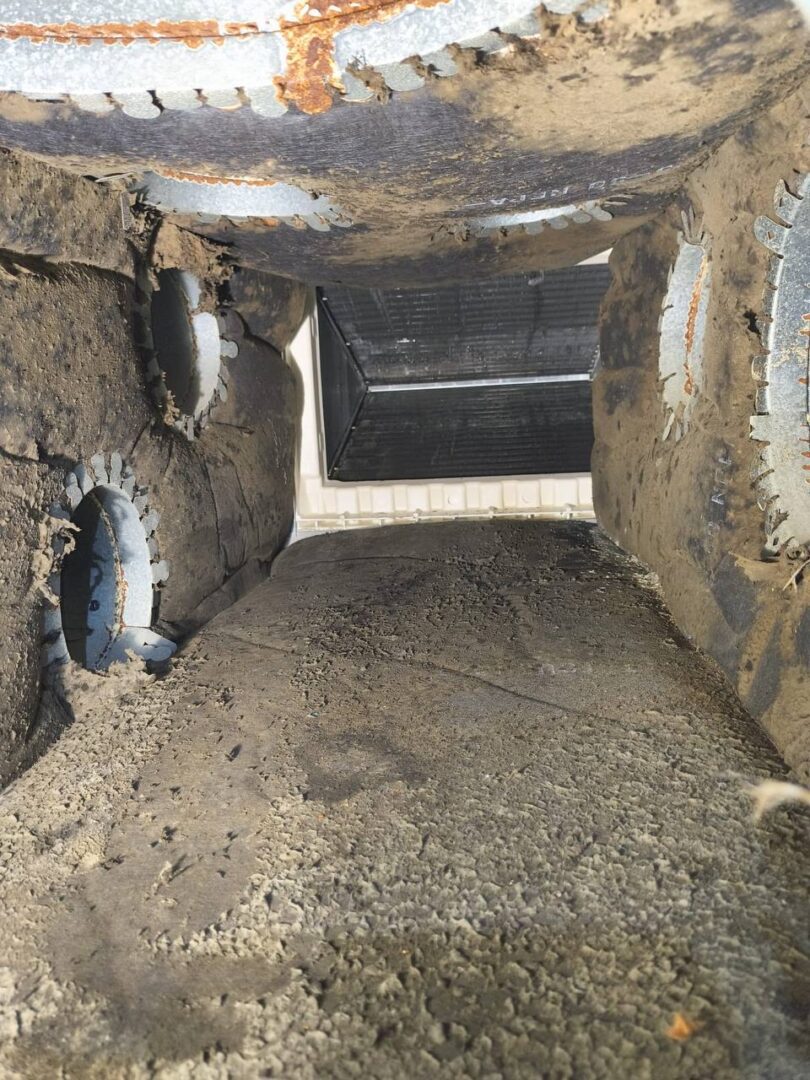
If you live in Houston, you already know about the humidity. What you may not realize is that the moisture in the air around you is creating conditions inside your HVAC system that are fundamentally different from the conditions inside HVAC systems in almost every other major American city. And those conditions are exactly what mold needs to grow.
How Houston Humidity Creates Mold Risk Inside Your HVAC System
Mold needs three things to establish and grow: moisture, a food source, and appropriate temperatures. Your HVAC system during Houston’s cooling season provides all three simultaneously and continuously.
**Moisture from condensation.** When your air conditioner operates, warm humid air passes over the cold evaporator coil. The temperature differential causes water vapor to condense on the coil surface. This condensate is supposed to drain away through the condensate drain line. But any interruption — partial clog, damaged pan, or slow-flowing debris accumulation — allows moisture to persist on and around the coil surface. When organic debris from pollen, pet dander, and dust settles on these moist surfaces, it becomes a nutrient-rich substrate.
**Organic debris as fuel.** Pollen from cedar, oak, pine, and grass. Pet dander and skin cells. Dust mite debris from your carpets. Construction dust from Houston’s ongoing development. All of this settles on interior duct surfaces and inside the evaporator coil housing, providing the organic nutrition that mold communities need.
**Appropriate temperatures year-round.** Houston’s operating HVAC systems provide the right temperatures for mold growth year-round — from the cool surface of the evaporator coil to the warm environment inside the plenum box and ductwork.
Where Mold Establishes Most Commonly Inside Houston Homes
The evaporator coil is the most common site because it combines persistent moisture with accumulated airborne organic debris. The plenum box is the second most critical site because it collects debris from every connected duct branch and experiences the most dramatic temperature and humidity swings. Interior surfaces of return ducts are where outdoor contaminants first enter and settle most heavily.
Seven Steps to Prevent Mold Growth in Your System
Keep your condensate drain line clear by inspecting and clearing it at least twice per year — once in spring before cooling season, once in fall after. Maintain indoor humidity below 55 percent using a whole-home dehumidifier if your system does not adequately control moisture during the most humid months. Replace air filters every 30 to 60 days so clean filters capture more particulate matter before it enters the duct system. Schedule professional duct cleaning every 3 to 5 years to eliminate the organic debris layer that mold feeds on. Address water intrusion events immediately because mold can establish within 24 to 48 hours of moisture exposure. Insulate exposed ductwork in attics and crawlspaces to prevent condensation on exterior duct surfaces that can penetrate the interior.
[Book a Free Inspection](https://crm.ahchooindoorair.com/book)
AH-CHOO! Indoor Air Quality serves Houston, Austin, San Antonio, and South Louisiana. NADCA certified. Average job time: 7 hours. 8 components cleaned every service. 38 years of experience.
Related AH-CHOO resources: Houston air duct cleaning; schedule a free inspection.