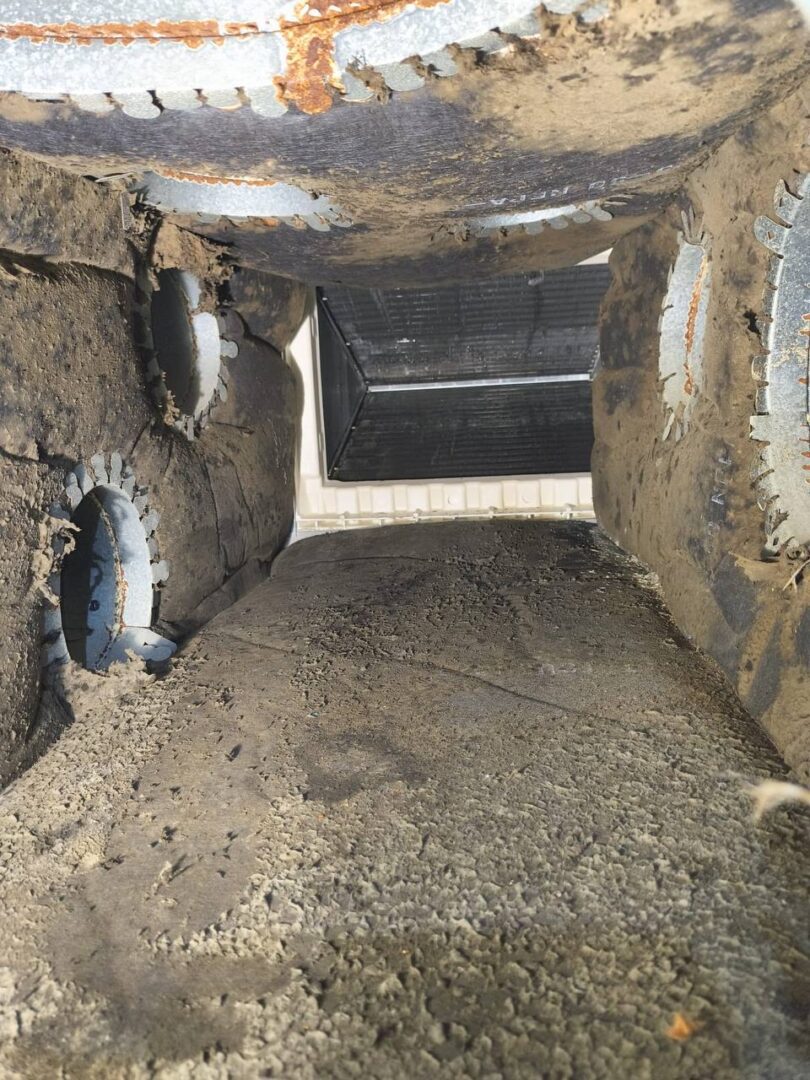
If you live in Houston, you already know about the humidity. But what you may not realize is that the moisture in the air around you is creating conditions inside your HVAC system that are fundamentally different from the conditions inside HVAC systems in almost every other major American city.
Understanding how Houston’s humidity specifically affects your HVAC system and what you can do about it is one of the most important things you can know as a homeowner.
Why Houston’s Humidity Is So Extreme
Houston sits on the Gulf Coastal Plain, approximately fifty miles from the Gulf of Mexico. Warm, moisture-laden air masses flow inland from the Gulf throughout most of the year, creating average relative humidity levels that exceed 60 percent for the majority of months and regularly reach 75 to 85 percent during the summer.
This humidity does not just make you uncomfortable outdoors. It creates a continuous moisture load on every building system in your home, including the HVAC system that is responsible for conditioning the air you breathe.
How Humidity Creates Mold Risk Inside Your HVAC System
Mold needs three things to grow: moisture, a food source, and appropriate temperatures. Houston’s HVAC systems provide all three continuously during the cooling season.
**Moisture from condensation.** When your air conditioner operates, warm humid air passes over the cold evaporator coil. The temperature differential causes water vapor in the air to condense on the coil surface. This is a normal part of the cooling process. The condensate is supposed to drain away through the condensate drain line. But any interruption in that drainage — a partial clog, a damaged drain pan, or slow-flowing debris — allows condensation to accumulate on the coil and on adjacent surfaces inside the plenum box where it creates persistent moisture conditions.
**Organic debris from the air stream.** The debris that your HVAC system pulls in through return vents — pollen, pet dander, skin cells, construction dust, and outdoor particulates — settles on the moist interior surfaces of the evaporator coil, the inside of the plenum box, and the walls of your ductwork. This organic material serves as a food source for any mold spores that are present.
**Warm temperatures.** Houston provides appropriate temperatures for mold growth year-round. Even during the winter months, the interior of a running HVAC system is warm enough to support colonization.
When these three factors combine inside your HVAC system — which they do routinely during Houston’s extended cooling season — mold colonies can establish and reach maturity within 24 to 48 hours of initial moisture exposure.
The Evaporator Coil: Your System’s Most Vulnerable Component
The evaporator coil is the component where the most moisture is produced and the most organic debris accumulates. It is also the most difficult component for a homeowner to inspect visually. In many Houston homes, the evaporator coil is the first and most extensively colonized site for mold growth inside the entire HVAC system.
When mold establishes on the evaporator coil, it releases spores into the airstream that passes over the coil surface every time the system operates. These spores are distributed into every room in your home, contributing to indoor air quality problems and triggering allergy symptoms for household members.
What You Can Do to Reduce Mold Risk
**Professional cleaning on the recommended schedule.** The single most effective thing you can do is to have your HVAC system professionally cleaned every 3 to 5 years (or every 2 to 3 years for homes with pets, allergies, or construction exposure). Professional source removal cleaning eliminates the organic debris layer on the evaporator coil, in the plenum box, and on interior duct surfaces that mold feeds on.
**Regular filter replacement.** Clean filters capture more particulate matter before it can enter the duct system and settle on moist surfaces inside the system. Replace filters every 30 to 60 days depending on your home’s specific conditions.
**Condensate drain maintenance.** Inspect and clear the condensate drain line at least twice per year. A clogged drain line is one of the most common causes of excess moisture accumulation inside the HVAC system.
**Indoor humidity control.** Maintaining indoor relative humidity below 55 percent significantly reduces the moisture available for mold growth throughout the system.
Book Your Free Mold Risk Inspection
If you want to understand the mold risk profile of your Houston home’s HVAC system, schedule a free inspection today. Our NADCA-certified technicians will document the condition of all 8 components and provide an honest assessment.
[Book a Free Inspection](https://crm.ahchooindoorair.com/book)
AH-CHOO! Indoor Air Quality serves Houston, Austin, San Antonio, and South Louisiana. NADCA certified. Average job time: 7 hours. 8 components cleaned every service. 38 years of experience.
Related AH-CHOO resources: Houston air duct cleaning; schedule a free inspection.