If you live in Houston, you already know that allergy season does not end when spring passes. It cycles through the calendar, shifting from one allergen to the next, from cedar pollen in the winter through oak and grass pollen in the spring, through summer humidity-driven mold spores, through ragweed in the fall.
This nearly year-round allergen exposure makes Houston one of the most challenging cities in the United States for allergy sufferers. What most people do not realize is that the HVAC system inside their home plays a central role in how much of this allergen load their family is actually exposed to indoors.
How Houston’s Allergen Calendar Works Year-Round
**December through February: Cedar fever season.** Mountain cedar trees release enormous quantities of pollen that enter homes through return vents and accumulate on interior ductwork and the evaporator coil.
**March through May: Oak, pine, and grass pollen season.** Tree and grass pollens dominate during these months and contribute to the organic debris layer that builds up inside your HVAC system.
**June through September: Heat, humidity, and mold spore activity.** Warm humid conditions create ideal conditions for mold growth inside damp ductwork where pollen and organic debris have accumulated.
**October through November: Ragweed and fall mold spores.** Ragweed pollen and elevated mold spore counts from decomposing vegetation add another allergen layer to an already loaded indoor environment.
What This Means for Your Indoor Air Quality
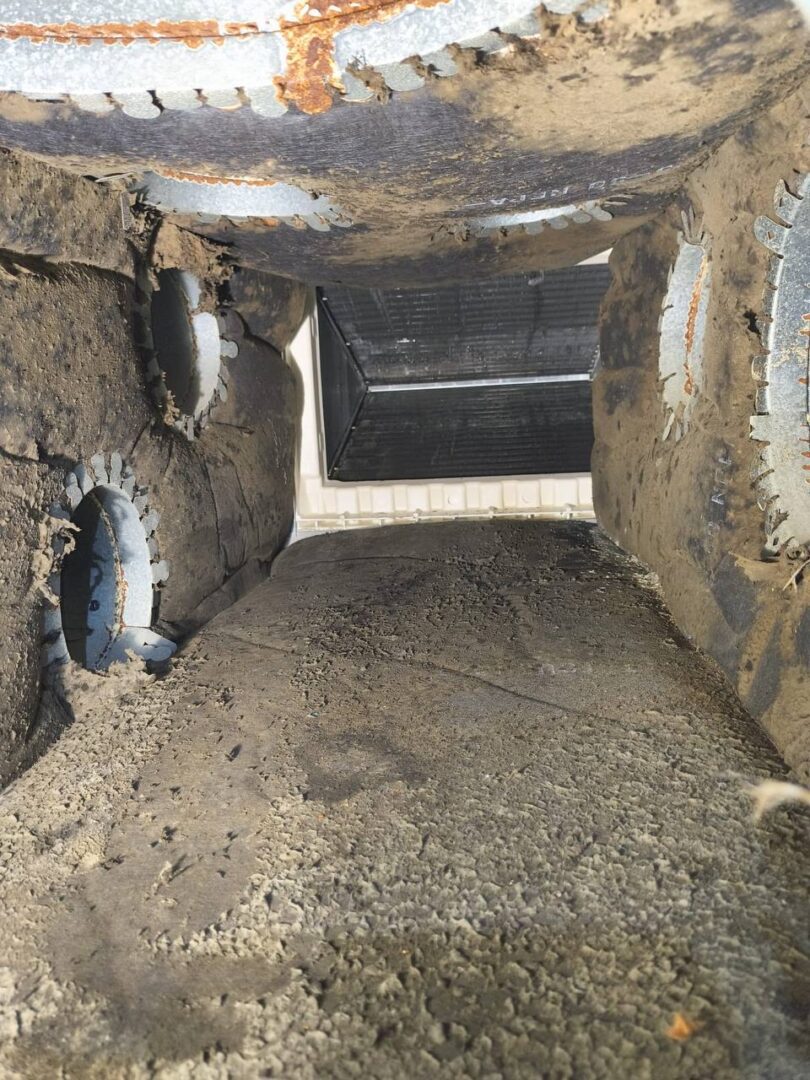
Every time your HVAC system cycles on, it pulls air from your living spaces through return vents. That air carries whatever allergens are currently active in the outdoor environment, plus pet dander, dust mite debris, and household particulates. Most of these particles are captured by your air filter. But particles smaller than your filter captures pass through and settle on interior duct surfaces where they remain as a persistent allergen reservoir.
This is why many allergy sufferers in Houston notice that their symptoms do not improve when they stay indoors on high-pollen days. The allergens that have accumulated inside their HVAC system over months of continuous operation are being redistributed into every room every time the system cycles on.
What You Can Do
Replace air filters every 20 to 30 days during peak allergen seasons. Keep windows closed when pollen counts are highest. Schedule professional duct cleaning after each major allergen season to remove the accumulated debris before it contributes to mold growth during the humid months.
[Book a Free Inspection](https://crm.ahchooindoorair.com/book)
AH-CHOO! Indoor Air Quality serves Houston, Austin, San Antonio, and South Louisiana. NADCA certified. Average job time: 7 hours. 8 components cleaned every service. 38 years of experience.
Related AH-CHOO resources: Houston air duct cleaning; schedule a free inspection.