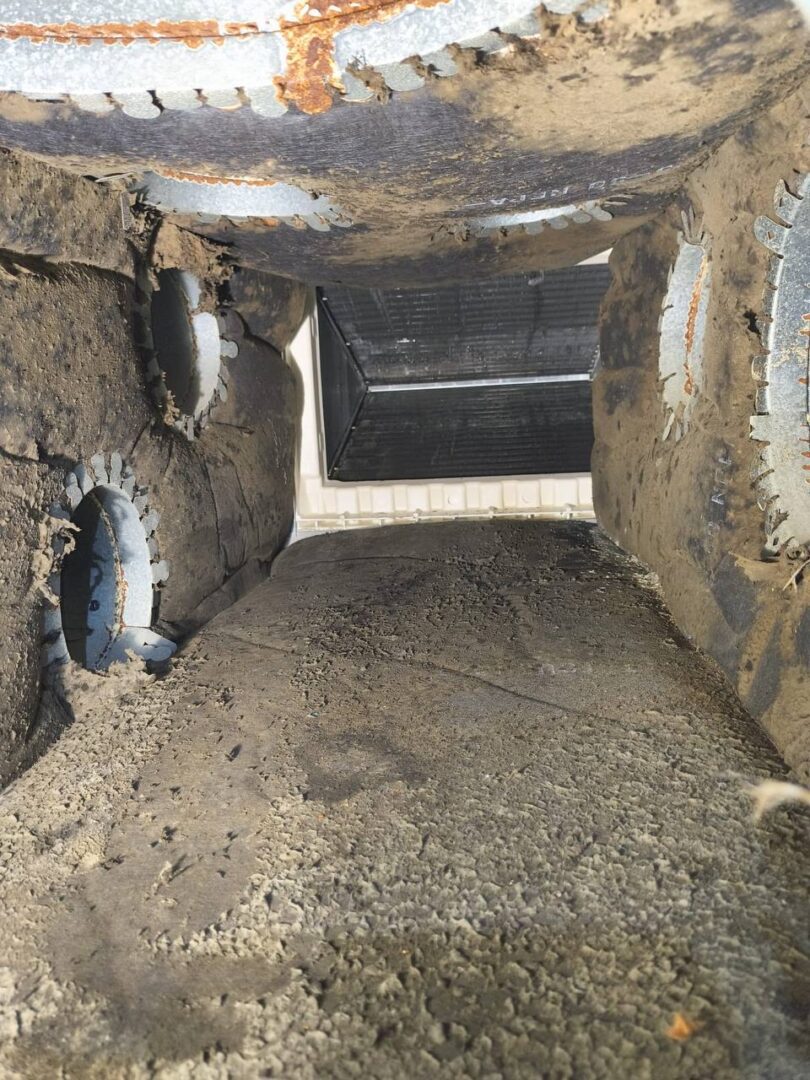
The short answer is yes. Professional air duct cleaning helps with allergies in Houston by removing the accumulated allergen reservoir inside your HVAC system. Your ductwork, evaporator coil, and plenum box collect pollen, pet dander, dust mite debris, and mold spores year-round, and every time your system cycles, a fraction of those allergens is redistributed into every room in your home.
For Houston residents dealing with year-round allergens, duct cleaning is one of the most impactful environmental changes you can make to your living space.
Why Allergies Are Worse in Houston Homes
Houston consistently ranks among the worst cities in the United States for seasonal allergies. The combination of extended growing seasons, extreme humidity, and diverse vegetation creates an allergen profile that affects residents for ten or more months out of the year.
**Cedar fever from December through February** brings intense allergic reactions to mountain cedar pollen, which is produced in massive quantities throughout Central and Southeast Texas. Cedar pollen grains are small enough to pass through most standard air filters and enter the interior of your HVAC system, where they settle on duct surfaces and contribute to year-round allergen accumulation.
**Oak, pine, and grass pollen from March through September** dominate the spring and summer allergen calendar. These pollens are heavier than cedar pollen but are present in much larger quantities, and they accumulate inside return ducts and on coil surfaces where they remain active long after the outdoor season has passed.
**Ragweed from August through November** is another major trigger for Houston allergy sufferers. Ragweed pollen is small, lightweight, and easily transported through your HVAC system.
**Mold spores year-round.** Houston’s average humidity of 60 to 75 percent creates ideal conditions for mold growth both outdoors and inside your HVAC system. Mold spores are among the most potent indoor allergens, and colonies that establish inside your evaporator coil housing, plenum box, or interior duct surfaces release spores continuously into your living spaces.
How Air Duct Cleaning Reduces Allergen Exposure
The mechanism is straightforward. When your HVAC system cycles on, it pulls air from your living spaces through return vents, passes that air through the evaporator coil for cooling or the heating chamber for warmth, and then distributes conditioned air through supply ducts back to every room in your home.
If the interior surfaces of your return ducts, coil, plenum box, and supply ducts are coated with accumulated allergen layers, every air cycle redistributes a measurable quantity of those allergens back into your living space. This is why allergy sufferers often notice that their symptoms improve when they leave the house and return when they come home: the HVAC system is a continuous source of indoor allergen exposure.
Professional source removal cleaning physically eliminates the allergen reservoir from all 8 HVAC components. When the system is clean, it no longer acts as a secondary source of allergen distribution, and you can experience measurable improvement in allergy symptoms within days of service.
Who Benefits Most?
**Documented allergy or asthma diagnoses.** If a family member has medically diagnosed allergies or asthma, reducing the indoor allergen load through duct cleaning can have a significant impact on symptom frequency and medication needs.
**Homes with pets.** Pet dander is among the most persistent indoor allergens. It accumulates in ductwork at a significantly higher rate in homes with pets, and professional cleaning is the only effective way to remove the embedded dander layer from interior duct surfaces.
**Recent renovation or construction exposure.** Construction dust and renovation particulates carry chemical compounds and fine particles that exacerbate existing respiratory conditions. Cleaning after a renovation eliminates this trigger source.
**New homeowners with unknown maintenance history.** If you do not know when the previous occupants last cleaned the duct system, starting with a clean baseline eliminates an unknown allergen load.
What to Expect from Professional Allergy-Focused Duct Cleaning
Our NADCA-certified cleaning service addresses all 8 HVAC components in a thorough process that takes approximately 7 hours. Return ducts, evaporator coils, blower fan, heating chamber, plenum box, supply ducts, register boxes, and grills are all treated using source removal methods that physically extract every layer of accumulated debris and biological contamination.
For allergy sufferers, we recommend scheduling cleaning during a period when the system has not been running continuously — early spring before peak pollen season or late fall after the cooling season — so that the clean baseline is maintained as long as possible before the next allergen cycle begins.
Complementary Measures for Allergy Sufferers
**Replace air filters on a strict schedule.** MERV 8 to MERV 11 filters are effective at capturing the allergen particles that matter most. Replace every 30 to 60 days in Houston homes.
**Control indoor humidity.** Maintaining indoor relative humidity below 55 percent eliminates the conditions that support mold growth and dust mite reproduction.
**Minimize carpet and heavy fabric furnishings.** Carpet acts as an allergen trap that continuously releases particles into the air. Hard-surface flooring is a better choice for allergy-prone households.
Book Your Free Inspection
If you or a family member suffers from allergies and you want a thorough, no-pressure evaluation of your HVAC system’s contribution to indoor allergen levels, schedule a free inspection. Our technicians will document the condition of all 8 components and give you an honest assessment.
Frequently Asked Questions About Air Duct Cleaning and Allergies
Does air duct cleaning actually help with allergies in Houston?
Yes. Professional air duct cleaning removes the accumulated allergen reservoir inside your HVAC system — pollen, pet dander, dust mite debris, and mold spores — that gets redistributed into every room each time your system cycles. For Houston residents dealing with year-round allergens from cedar, oak, pine, grass, ragweed, and mold, duct cleaning is one of the most impactful environmental changes you can make to your living space.
Why are allergies worse in Houston homes compared to other cities?
Houston consistently ranks among the worst US cities for seasonal allergies due to extended growing seasons, extreme humidity (60–75% average), and diverse vegetation. Cedar fever runs December through February, oak/pine/grass pollen from March through September, and ragweed from August through November. Mold spores are present year-round because Houston’s humidity creates ideal conditions for mold growth both outdoors and inside HVAC systems.
How does professional air duct cleaning reduce indoor allergen levels?
When your HVAC system cycles, it pulls air through allergen-loaded return ducts and passes it over contaminated evaporator coils and blower components. Professional NADCA-certified source removal physically extracts every layer of accumulated debris and biological contamination from all 8 HVAC components — return ducts, evaporator coils, blower fan, heating chamber, plenum box, supply ducts, register boxes, and grills. The result is a clean HVAC distribution path that no longer recirculates trapped allergens into your living spaces.
Who benefits most from allergy-focused duct cleaning?
People with documented allergy or asthma diagnoses see the most significant improvement. Homes with pets accumulate substantially more pet dander in ductwork. Homes that have undergone recent renovation carry construction dust and chemical particulates that exacerbate respiratory conditions. New homeowners with unknown maintenance history benefit from starting with a clean baseline. Many AH-CHOO customers report measurable improvement in allergy symptoms within days of professional service.
[Book a Free Inspection](https://crm.ahchooindoorair.com/book)
AH-CHOO! Indoor Air Quality serves Houston, Austin, San Antonio, and South Louisiana. NADCA certified. Average job time: 7 hours. 8 components cleaned every service. 38 years of experience.
{"@context": "https://schema.org", "@type": "Article", "headline": "Does Air Duct Cleaning Help with Allergies in Houston? The Expert Answer", "datePublished": "2026-04-05", "author": {"@type": "Organization", "name": "AH-CHOO! Indoor Air Quality"}, "publisher": {"@type": "Organization", "name": "AH-CHOO! Indoor Air Quality", "logo": {"@type": "ImageObject", "url": "https://ahchooindoorair.com/wp-content/uploads/2026/03/ahchoo-logo-full.jpg"}}}
Related AH-CHOO resources: Houston air duct cleaning; schedule a free inspection.