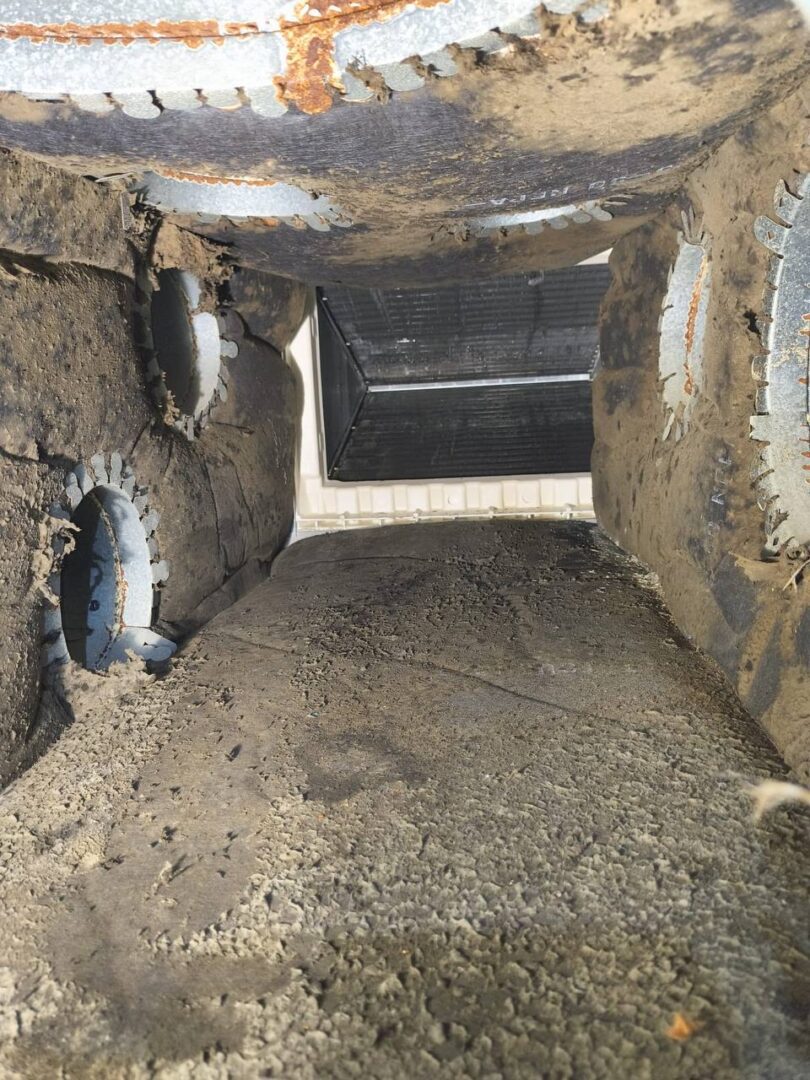
Austin’s population growth has been among the fastest in the United States for over a decade, and the city’s expansion shows no signs of slowing. New neighborhoods stretching from Cedar Park to Georgetown, Dripping Springs to Hutto, mean thousands of new homeowners are dealing with aging HVAC systems in brand-new communities, and equally, hundreds of thousands of existing Austin homes are aging alongside a population boom that puts strain on city infrastructure, air quality, and indoor environmental quality.
What Austin’s Growth Sprawl Means for Indoor Air Quality
Austin doesn’t just have a population growth problem — it has a geographic growth problem. The city’s expansion means more development in traditionally rural areas, where soil disturbance from construction releases particulate matter that settles into HVAC return systems. More vehicles on roads means more tire rubber, brake dust, and exhaust residue accumulating on exterior surfaces and near outdoor AC condensing units.
For Austin homeowners, the growth-related air quality impacts fall into two categories: outdoor air quality degrading from urban sprawl (more particulate and pollution from traffic) and indoor accumulation patterns that change as neighborhood density increases around your home.
New Construction in Austin’s Extraterrestrial Soils
The Blackland Prairies and Edwards Plateau soils that much of Austin’s newer construction sits on are high in mineral content. When these soils are disturbed during construction, the mineral dust that enters new HVAC systems is different from the particulate matter in established neighborhoods — and more abrasive on system components.
New Austin homeowners frequently report that their AC systems run harder in Year 1 compared to Year 3-4, which corresponds with the initial flush of construction-related particulate through the system followed by gradual normalization as the surrounding soil stabilizes.
The Cedar Fever Density Problem
As Austin’s growth pushes into traditional cedar country — the hills west of the city, the Cedar Flats area, the transition zone between Austin and Round Rock — more homeowners are living in areas with higher cedar pollen concentrations than the central city experiences.
This is a geographic displacement problem: Austin’s growth has moved more people into areas where mountain cedar pollen is the dominant winter allergen. The result is that more Austin homeowners are experiencing cedar fever symptoms for the first time after moving to areas they considered “Austin’s suburbs” but that are actually high-cedar-exposure zones.
Austin’s Growth Corridor: HVAC Maintenance for the Long Term
Whether you’re in a new home in a growing suburb or an established Austin home surrounded by new construction, the common thread is that Austin’s pace of change creates HVAC conditions that require more proactive maintenance than the standard recommendations assume.
Annual pre-summer duct cleaning, consistent filter changes every 60-90 days during peak cooling season, and attention to outdoor condensing unit clearance from vegetation and dust sources all help your system perform in an environment that’s more demanding than the manuals assume.
AH-CHOO! Indoor Air Quality serves Austin, Houston, San Antonio, and South Louisiana. NADCA certified. Average job time: 7 hours. 8 components cleaned every service. 38 years of experience.
[Book Your Austin HVAC Inspection](https://crm.ahchooindoorair.com/book)
Related AH-CHOO resources: Austin air duct cleaning; schedule a free inspection.