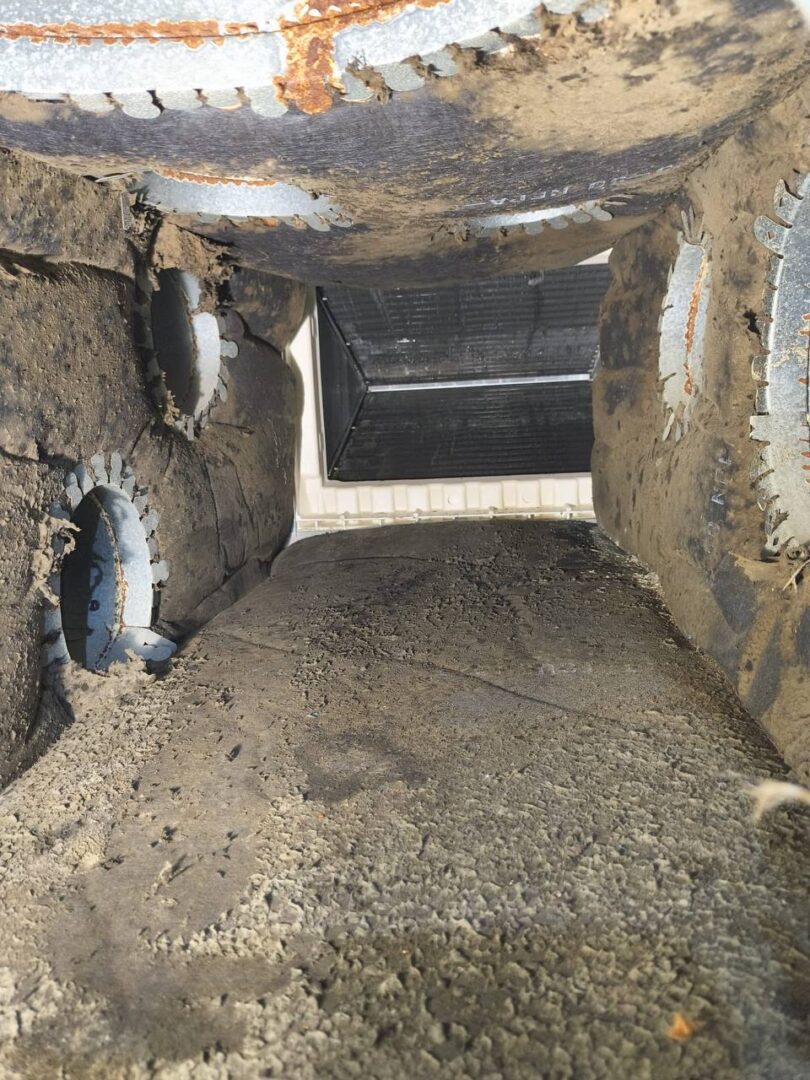
# Air Duct Cleaning in Round Rock and Cedar Park: What Growing Suburbs Mean for Your HVAC System
Round Rock and Cedar Park have consistently ranked among the fastest-growing cities in Texas, and that growth has created specific HVAC maintenance challenges for homeowners that differ from both the Houston metro and central Austin. Understanding what factors affect your home’s indoor air quality in these North Austin suburbs helps you make better maintenance decisions for your HVAC system.
## Why Round Rock and Cedar Park Are Different for HVAC
The North Austin suburban corridor has several characteristics that affect residential HVAC performance and indoor air quality:
**Higher elevation and temperature swings:** Round Rock and Cedar Park sit at higher elevation than central Austin, which means slightly cooler temperatures year-round and more dramatic temperature swings between day and night. This affects how hard your AC works and how quickly components wear, but also means the humidity processing load is somewhat lower than Austin proper — though still significant compared to dryer Texas climates. The temperature swings also mean HVAC systems in these areas have longer off-periods at night, which can allow accumulated moisture to evaporate more readily than in Houston’s consistently warm climate.
For HVAC systems in these North Austin suburbs, the efficiency implications are meaningful: a system that runs fewer hours per day due to cooler night temperatures has more time to dry out between cycles — but the cumulative run time over an entire cooling season is still significant, and the biological contamination that accumulates in sealed ductwork between cleanings is still substantial. The growth rate is slower than Houston but the accumulation is still happening every year.
**Rapid development pace:** Both cities have experienced rapid residential development over the past 15 years, which means older neighborhoods are increasingly surrounded by active construction. Construction dust and particulate from new home building affects outdoor condensing unit efficiency — the coil surfaces accumulate mineral dust that insulates the metal and reduces heat transfer — and introduces more debris into the return air system through normal air exchange. For homeowners in established neighborhoods surrounded by new development, this is an ongoing maintenance challenge that requires more attention than areas with stable development patterns.
Construction-related HVAC contamination is particularly insidious because it loads the system with mineral dust that is harder for filters to capture than organic particulate. Standard fiberglass filters capture large particles but let fine mineral dust pass through — and that fine dust accumulates on the evaporator coil, where it combines with condensation to create a coating that reduces heat transfer. The result is a system that operates at reduced efficiency throughout the cooling season, with higher energy bills and shorter component lifespan.
**Larger newer homes:** The median home size in Round Rock and Cedar Park is larger than both Austin and Houston averages, meaning longer duct runs, more connections, and more places for contamination to accumulate between professional cleanings. A larger home with a more complex duct system takes longer to clean and has more surface area for contamination to accumulate — but also means the potential efficiency gains from a clean system are larger because airflow improvements affect more rooms. For a 3,000+ square foot home with multiple stories and a complex duct layout, the difference between a clean and contaminated system can be 10-15 degrees of temperature differential between the highest and lowest cooled rooms.
## The Cedar Fever Connection for North Austin Suburbs
Cedar season (December through February) affects all of Austin metro, but Cedar Park and Round Rock are geographically closer to the Hill Country cedar habitat than central Austin. Mountain cedar (Ashe juniper) is one of the most potent allergens in North America — the pollen is extraordinarily fine and penetrates standard filters more readily than other pollen types.
What makes cedar fever different for HVAC systems:
– Cedar pollen is finer than most other pollens and passes through standard fiberglass filters into the duct system
– Once inside sealed ductwork, cedar pollen accumulates year over year, creating a reservoir that continues to affect indoor air quality even when outdoor pollen counts are low
– The pollen that enters the return air system and accumulates on the evaporator coil and in the ductwork provides organic material that feeds biological growth between cleaning cycles
For homeowners in Round Rock and Cedar Park who suffer from cedar allergies, the pattern is familiar: symptoms improve when away from home for extended periods and return quickly upon coming back. This is a signature of HVAC-related allergen exposure rather than general outdoor pollen exposure — the cedar pollen that’s accumulated in the ductwork circulates every time the system runs.
Post-cedar-season duct cleaning — scheduled in March or April, after peak cedar season ends — removes the accumulated cedar pollen reservoir that continues to affect indoor air quality after outdoor pollen counts drop. This timing is also optimal for pre-summer cleaning because it prepares the system for peak cooling season with a clean baseline.
## What Round Rock and Cedar Park Homeowners Should Know
**Construction-related contamination:** If you live near active new construction, your outdoor condensing unit and filters are loading faster than in established neighborhoods. The mineral dust from drywall compound, the fine particulate from concrete work, and the general site disturbance all contribute to faster filter loading and more debris entering the return air system. Consider checking your filter monthly during active construction periods and replacing every 60 days minimum.
**New home duct cleaning:** Many homes in newer subdivisions were built during peak construction in the area and may have accumulated significant construction-related dust in ductwork before the first residents moved in. This is especially common in master-planned communities where homes were completed in batches. If you’re buying a home in a newer area and don’t have builder cleaning documentation, schedule an initial inspection. An initial professional cleaning at move-in establishes a clean baseline that makes ongoing maintenance easier to track.
**Filter maintenance:** Upgrade to MERV 11 or higher rated filters, especially if you have pets or live near active construction. Standard fiberglass filters capture only the largest particles — finer dust, pollen, and cedar particulate that causes winter allergies pass through and accumulate in the ductwork. A pleated filter with a MERV 11 rating captures significantly more of this material before it reaches the duct interior.
**Pre-summer timing:** Schedule professional cleaning in April or early May, before peak cooling season. This timing removes accumulated winter contamination — including cedar pollen that settled in the ducts during winter months — and ensures the system operates efficiently when demand is highest. For North Austin suburban homeowners, this is the most effective maintenance timing for the year.
## Signs Your Ducts Need Professional Cleaning
– You’ve never had professional duct cleaning in over 3 years
– You notice dust or smell from vents when the system first starts each season
– Some rooms cool more slowly than others despite adequate airflow
– You can see dark discoloration inside return air grilles
– You have pets and haven’t had ducts cleaned in over 2 years
– You live near active construction and notice faster filter loading than normal
– You suffer from cedar allergies and notice symptoms that improve when away but return quickly
AH-CHOO! Indoor Air Quality serves Round Rock, Cedar Park, Georgetown, Pflugerville, Leander, and all North Austin suburban communities. NADCA certified. Average job time: 7 hours. 8 components cleaned every service. 38 years of experience.
[Schedule Your Round Rock HVAC Cleaning](https://crm.ahchooindoorair.com/book)
Related AH-CHOO resources: Austin air duct cleaning; schedule a free inspection.