If you’re reading this in April 2026 and wondering why your allergies are worse indoors than outside — you’re not imagining it.
Houston’s pollen count has been running “very high” since late March. And while the whole city deals with it, the suburbs face an even harder hit. Here’s the reality: places like Katy, Sugar Land, Spring, The Woodlands, and Pearland sit right in the thick of oak, pecan, and mulberry pollen corridors — with more tree canopy, more acreage, and less urban density to dilute the airborne particles.
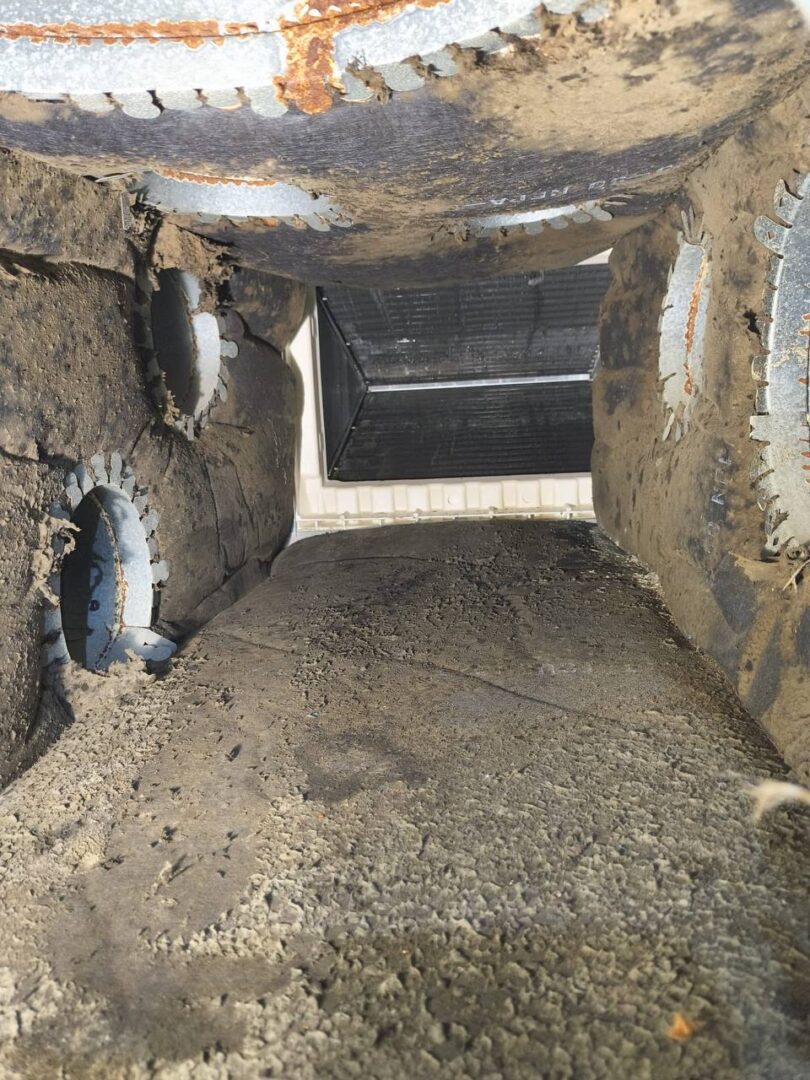
By the time that pollen enters your home through open windows and doors and gets sucked into your HVAC system, your air ducts become a year-round distribution center for allergens you can’t see.
This is your complete guide to understanding why air duct cleaning in Houston suburbs isn’t a “someday” task — it’s a seasonal necessity. And if you do it right, with the right team, it changes your home’s air quality in a single appointment.
The Spring Pollen Problem in Houston Suburbs Is Worse Than You Think
Houston’s 2026 allergy season started early. Cedar pollen hammered the area through January and February — the Houston Health Department reported counts reaching “very high” levels by mid-January. Just when residents thought the worst was over, the spring tree pollen wave hit: oak, pecan, and mulberry pollen counts surged in March.
Here’s what most people don’t realize. Pollen doesn’t just bother you outside. Those microscopic particles — oak pollen alone measures roughly 30-40 microns — are small enough to enter your home through every crack, every open door, every HVAC return vent. Once inside, your HVAC system acts like a giant vacuum cleaner, pulling allergens into your ductwork.
Over months and years, that pollen gets trapped in your ducts. When your system kicks on, it blows those stored allergens right back into your living room. Your bedroom. Your kids’ rooms.
The Houston suburbs compound the problem:
- Katy and Cypress: More trees per acre, more unpaved surfaces, and more acreage lots mean more pollen volume
- Sugar Land and Missouri City: Dense tree canopies along Buffalo Bayou create concentrated pollen corridors
- Spring and The Woodlands: The name says it all — “The Woodlands” means massive tree coverage, which means massive pollen production
- Pearland and Friendswood: Coastal prairie meets forest transition zones with both tree and grass pollen exposure
According to allergists at McGovern Allergy and Asthma Clinic, Houston’s climate allows trees to release pollen earlier and longer than most of the country. The result: a near-seamless transition from winter cedar to spring oak means Houston allergy sufferers get virtually no break from December through May.
What Happens When Pollen Accumulates in Your Ducts
Your air ducts are like the arteries of your home. Everything that travels through your HVAC system — dust, pollen, pet dander, mold spores, skin cells, and outdoor particulates — eventually settles somewhere in those ducts.
Here’s the cycle:
- Intake: Spring pollen enters your home through natural air exchange, open doors, and your system’s outdoor air intake.
- Collection: The HVAC filter catches some particles, but smaller pollens and particulates bypass even good MERV-rated filters and land deep in the ductwork.
- Accumulation: Over weeks and months, layer upon layer builds up inside your supply and return ducts, coils, and register boxes.
- Recirculation: Every time the system runs — and in a Houston spring, that’s daily — it disturbs settled particles and redistributes them throughout your home.
This is why many Houston suburban homeowners report that their allergies feel worse inside the house than outside. Your ducts may be storing months of accumulated allergens that get stirred up with every AC cycle.
When Spring Is the Right Time to Schedule
Many homeowners assume duct cleaning should happen in fall — before the heating season kicks in. That’s not wrong. But there’s a strong case for spring cleaning in the Houston suburbs specifically.
Here’s why:
- Post-cedar, pre-oak peak: Early April offers a window where the heavy winter cedar pollen has passed but the spring oak peak is still fresh. Cleaning now removes accumulated winter allergens before summer AC cycles blow them around all year.
- Pre-summer preparation: In Houston, your AC will run almost non-stop from May through October. If you clean your ducts now, you start the heavy-duty cooling season with a clean system instead of recirculating spring pollen for six months.
- Allergy-proofing before peak: Houston’s highest pollen months are March, April, and May. Having clean ducts during peak season means your HVAC system is circulating filtered, clean air — not dusting your ducts’ accumulated backlog throughout your home.
The sweet spot for Houston suburban air duct cleaning is late March through early May. You’re right in it now.
What a Professional Air Duct Cleaning Actually Removes
A NADCA-certified duct cleaning doesn’t just vacuum visible dust. It systematically cleans the entire airflow path of your HVAC system.
Here’s what gets cleaned:
- Return ducts: Where allergens enter your system — the most pollen-loaded section.
- Supply ducts: Where conditioned air is distributed — where stored allergens recirculate into your home.
- Return coils: A coil caked with pollen and dust restricts airflow and becomes a breeding ground for mold.
- Blower fan: Pollen buildup on fan blades reduces efficiency and redistributes allergens every time the fan runs.
- Heating chamber: Winter heating season deposits its own layer of particulates that linger into spring.
- Plenum box: The central distribution point where air transitions between system components — a major collection zone.
- Ductwork interior: The full length of accessible supply and return ducts, from the unit to every register.
- Register boxes and grills: The visible endpoints where accumulated allergens blow directly into living spaces.
AH-CHOO! Indoor Air Quality’s NADCA-certified process averages 7 hours per home. That’s thorough. It’s comprehensive. And it covers every one of those 8 components — not just the registers and the first three feet of duct you can see with a flashlight.
After a complete cleaning, your system will pass an air quality inspection. Every time.
Houston Suburbs: Specific Concerns by Area
Different Houston suburbs face different allergen profiles based on location, tree coverage, and proximity to industrial zones.
Katy and Cypress
West of the 610 Loop, Katy and Cypress have more undeveloped land, more tree coverage, and sit directly in the Cedar Bayou pollen corridor. The combination of rural acreage properties and new construction means two things: high outdoor pollen load and duct systems that accumulated construction debris during building. These homes especially benefit from spring duct cleaning before summer AC use kicks in.
Sugar Land and Missouri City
Southwest Houston suburbs with mature tree canopies along Buffalo Bayou. The dense tree coverage means high spring pollen production, and the proximity to the bayou adds humidity — which, combined with pollen in the ducts, creates ideal conditions for mold growth inside ductwork.
Spring, The Woodlands, and Humble
North Houston’s green belt. The Woodlands was literally designed to preserve forest canopy — beautiful, but that means one of the highest pollen concentrations in the metroplex. Spring and Humble add the industrial corridor factor: pollen combines with particulate matter from nearby industrial activity, creating a particularly irritating airborne mix that settles heavily into HVAC systems.
Pearland, Friendswood, and League City
South Houston suburbs where the forest meets the coastal plain. Tree pollen hits here along with coastal mold spores and grass pollen. Homes closer to the Gulf experience higher humidity levels, which compounds the pollen problem inside ductwork — humidity + organic matter = mold risk.
Why Your HVAC Filter Isn’t Enough
Many homeowners think: “I have a good filter. Why do I need duct cleaning?”
It’s a fair question. Here’s the answer:
Filters protect the equipment. They don’t protect your ducts.
Standard HVAC filters are rated by MERV (Minimum Efficiency Reporting Value) scores:
- MERV 1-4: Catches only large particles (dust mites, carpet fibers). Pollen gets straight through.
- MERV 5-8: Catches mold spores and some finer dust. Most pollen is caught, but the smallest pollen fragments bypass.
- MERV 9-12: Catches most pollen and finer particulates. Better, but still not perfect.
- MERV 13-16: Catches bacteria and most airborne particles. Closest to HEPA-level filtration for residential systems.
Even with the best residential MERV-13 filter, some particles get through. And particles build up in front of the filter, on the return coil, inside the blower compartment, and throughout the ductwork downstream from the filter. The filter protects the mechanical components from major debris — but years of fine particulate bypass means your ducts still accumulate.
Think of it this way: changing your filter is like changing your car’s oil. Necessary, preventive maintenance. But it doesn’t replace the need for a full engine deep clean every few years.
Signs Your Houston Suburban Home Needs Duct Cleaning Now
If you live in the Houston suburbs and can check three or more of these boxes, it’s time to schedule a professional air duct cleaning:
- ✅ Allergy symptoms worsen when you’re inside — this is the #1 indicator of contaminated ductwork
- ✅ Visible dust blows from vents when the system kicks on — particulate matter is being recirculated
- ✅ Musty or stale odor when the AC or heat runs — could indicate mold growth inside ductwork
- ✅ Uneven room temperatures — restricted airflow from duct buildup is a common cause
- ✅ HVAC system runs longer than usual — accumulated debris on coils reduces heat exchange efficiency
- ✅ You haven’t had ducts professionally cleaned in 3-5 years — the NADCA-recommended interval for homes in high-pollen environments like Houston
- ✅ Recent renovation or construction nearby — post-construction debris commonly enters duct systems
- ✅ Visible pollen dust on and around vents — direct evidence of infiltration
The AH-CHOO! Difference in Houston Suburbs
AH-CHOO! Indoor Air Quality serves all Houston suburbs with the same NADCA-certified standard. The process is straightforward and thorough.
What you get:
- NADCA-certified technicians — not “discount duct cleaners” running a shop-vac through a register
- Complete 8-component cleaning — all of them, not just the visible ones
- Average 7 hours on site — because doing it right takes time
- A system that will pass an air quality inspection after service
- clear service information with no hidden charges
Houston suburbs trust AH-CHOO! because the company treats every home the same way: complete, thorough, no-cutting-corners cleaning that addresses the root cause of indoor air quality problems, not just the symptoms.
FAQ: Air Duct Cleaning in Houston Suburbs
How often should Houston suburbs clean air ducts?
NADCA recommends every 3-5 years for most homes. In Houston’s high-pollen environment — with year-round allergen exposure and heavy spring pollen loads — leaning toward the 3-year end of the range is the best practice.
Is spring a good time to clean air ducts in Houston?
Yes. April-May cleaning removes winter pollutant buildup and prepares your system for peak air conditioning season. Think of it as a tune-up before your AC runs hard for six months straight.
Will duct cleaning help my allergies in the Houston suburbs?
Duct cleaning removes accumulated allergens from your duct system — pollen, pet dander, dust mites, and mold spores. While it’s not a medical treatment, removing these allergens from your home’s air circulation system is a proven environmental control measure recommended by allergists.
How long does a professional duct cleaning take in Houston suburbs?
AH-CHOO! averages 7 hours per home. Some companies claim 2-3 hours — that means they’re not cleaning everything. The full 8-component process takes the time it takes. Quality cannot be rushed.
Do you service my suburb?
AH-CHOO! serves the entire Houston metro area and suburbs, including Katy, Cypress, Sugar Land, Missouri City, Pearland, Friendswood, League City, Spring, The Woodlands, Humble, Kingwood, Tomball, Magnolia, and surrounding communities.
Take Control of Your Home’s Air This Spring
If your home’s air quality hasn’t been professionally addressed in the last few years, odds are your ducts contain accumulated pollen, dust, pet dander, and other allergens — and your HVAC system is recirculating them every time it runs.
Spring in the Houston suburbs is beautiful. But it’s also the toughest season for your indoor air. Don’t let your ducts be the reason you can’t open windows, sleep through the night, or enjoy your home without allergy medications running you ragged.
Book your NADCA-certified air duct cleaning today: Schedule Online with AH-CHOO! Indoor Air Quality
One appointment. Seven hours. A home that breathes clean.
Related AH-CHOO resources: Houston air duct cleaning; schedule a free inspection.