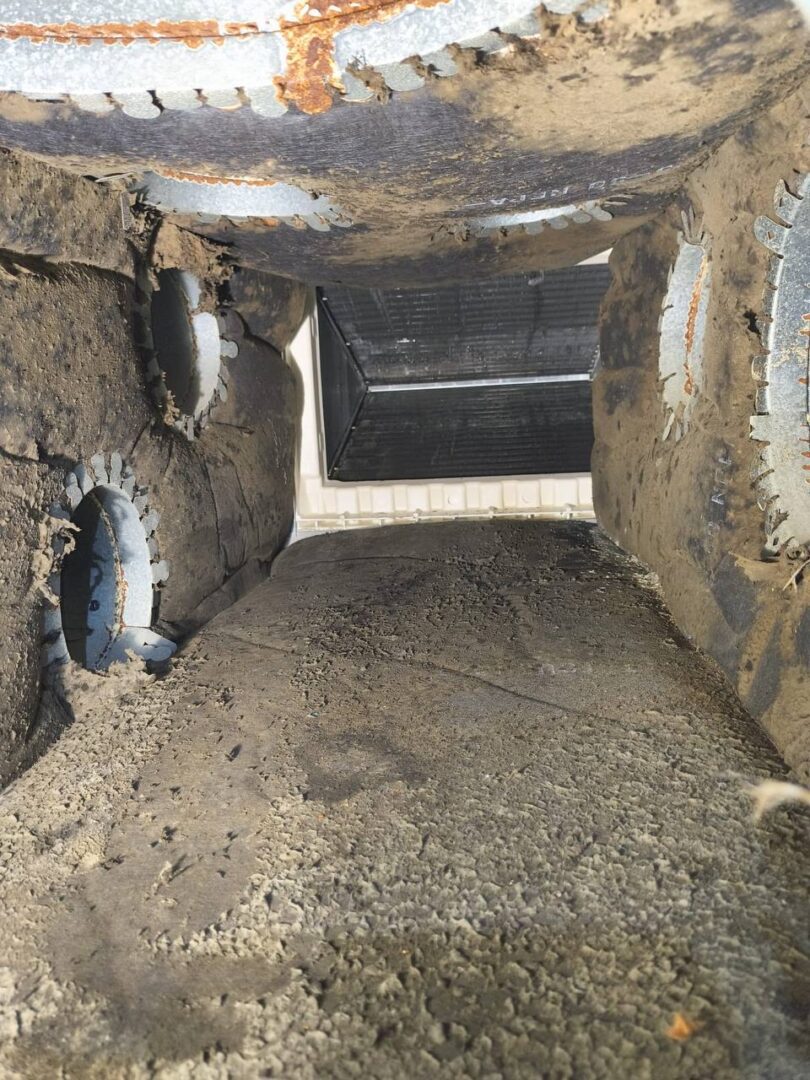
If you share your Houston home with dogs, cats, or other furry companions, you already know that pet hair and dander accumulate throughout every room, every piece of furniture, and — what most pet owners do not realize — inside your HVAC system. While your air filter captures some of what your pets shed, a significant portion of pet-associated debris enters your ductwork and accumulates on interior surfaces where it becomes a persistent source of indoor air quality degradation.
How Pet Debris Enters and Accumulates Inside Your HVAC System
Every time your HVAC system cycles on, it pulls air from your living spaces through return vents. Air in pet-owning households carries significantly higher concentrations of dander, hair, fur, and pet-associated allergens than homes without animals.
**Pet dander** consists of microscopic skin flakes that are among the most common indoor allergens. These particles are small enough to pass through most standard residential air filters and enter the interior of your ductwork, where they settle on return duct surfaces, the evaporator coil, and inside the plenum box.
**Pet hair and fur** accumulate on the blower fan blades, creating an imbalance that increases wear on motor bearings, reduces airflow efficiency, and produces audible noise. Hair that wraps around the blower fan reduces the fan’s ability to move air effectively through your system.
**Pet-associated odors** from litter boxes, wet-dog smell, and general animal presence enter your return vents and are absorbed by the organic debris layer that has built up on interior duct surfaces. Once odor molecules are absorbed into this debris layer, they are redistributed into your living spaces every time the system cycles on.
Why Houston Pet Owners Face Compounded Challenges
Houston’s extreme humidity creates conditions where pet-associated organic debris inside your HVAC system becomes more than just an allergen and odor issue. The combination of elevated indoor humidity, persistent pet dander, and accumulated hair creates an environment where mold growth on interior duct surfaces is significantly more common and more severe than in homes without pets.
Pet dander provides an abundant food source for mold spores. When this organic material settles on the moist surface of your evaporator coil or on interior duct surfaces where condensate accumulates, it creates the ideal nutrient-rich substrate where mold colonies establish and multiply.
What Professional Duct Cleaning Accomplishes for Pet Owners
Our NADCA-certified source removal cleaning physically eliminates every accessible layer of accumulated pet dander, pet hair, and associated organic debris from all 8 HVAC components: return ducts, evaporator coils, blower fan, heating chamber, plenum box, supply ducts, register boxes, and grills.
When this pet-associated debris layer is eliminated, the continuous redistribution of pet allergens and odors into your living spaces stops immediately. Homeowners frequently report that their home smells noticeably fresher within hours of the service, and pet owners with allergy sensitivities often experience meaningful symptom improvement within the first few days.
How Often Pet Owners Should Schedule Cleaning
For homes with pets in Houston, we recommend professional air duct cleaning every 2 to 3 years instead of the standard 3 to 5 year interval. Homes with multiple pets, large shedding breeds, or families where members have diagnosed pet allergies should schedule cleaning every 2 years or even more frequently to maintain optimal indoor air quality.
[Book a Free Inspection](https://crm.ahchooindoorair.com/book)
AH-CHOO! Indoor Air Quality serves Houston, Austin, San Antonio, and South Louisiana. NADCA certified. Average job time: 7 hours. 8 components cleaned every service. 38 years of experience.
Related AH-CHOO resources: Houston air duct cleaning; schedule a free inspection.