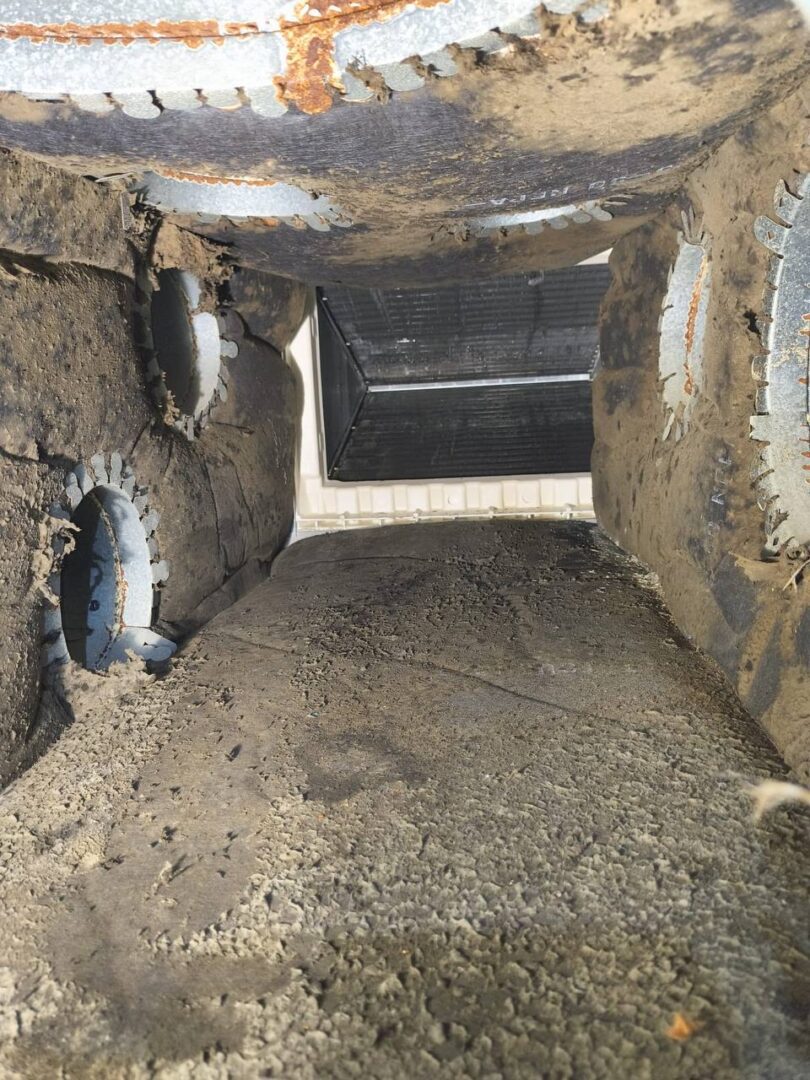
If you are preparing to sell your Houston home, the HVAC system will be one of the most scrutinized components during the buyer’s home inspection. Houston extreme climate puts extraordinary demands on residential HVAC systems — extended cooling seasons of 8 or more months, humidity above 60 percent most of the year, and temperatures that regularly exceed 95 degrees from June through September mean that system wear, debris accumulation, and mold risk are significantly higher here than in most other markets.
Understanding what a home inspector evaluates during the HVAC portion of the inspection, what findings can derail your sale, and how professional pre-listing duct cleaning protects your transaction will help you prepare your home strategically and avoid costly surprises.
What Houston Home Inspectors Evaluate During the HVAC Assessment
A standard home inspection in Houston includes a thorough evaluation of your heating and cooling system. The inspector will assess several key components that directly affect both system performance and the overall condition rating of the property.
**Evaporator coil condition.** The evaporator coil is where heat exchange occurs between indoor air and your refrigerant. Inspectors look for accumulated dirt, debris, and biological matter on the coil fins, signs of corrosion or damage to the coil structure, and visible evidence of mold or bacterial growth on the coil surface and within the surrounding housing. A dirty or moldy evaporator coil is one of the most common findings in older Houston homes and is often flagged as a recommendation for professional cleaning.
**Condensate drain and drain pan.** In Houston humid climate, the condensate drain carries significant moisture from the evaporator coil for most of the year. Inspectors check for clogs, overflow damage, corrosion of the drain pan, and the presence of a safety switch. A non-functioning condensate drain can cause water damage to the ceiling, walls, or living space below the air handler — a finding that becomes a significant repair request during the negotiation phase.
**Blower motor and fan assembly.** The inspector evaluates the blower motor for proper operation, unusual noise or vibration, and visible debris accumulation on the fan blades. A blower fan covered in thick layers of dust and debris signals deferred maintenance and raises broader concerns about the overall condition of the HVAC system.
**Ductwork condition and insulation.** Inspectors examine accessible sections of ductwork for disconnected joints, crushed or collapsed sections, visible mold growth on interior or exterior surfaces, deterioration of flexible duct insulation, and evidence of pest intrusion. In older Houston homes, flexible ductwork that has been in service for 20 or more years frequently shows deterioration that inspectors will flag.
**Air filter condition.** While filter replacement is routine maintenance, an extremely dirty or clogged filter signals to the inspector that the system may not have been maintained regularly, which raises the question of whether larger, non-visible issues exist inside the system.
**Thermostat function and calibration.** The inspector verifies that the thermostat controls the system effectively, that there is no significant discrepancy between the set temperature and the actual temperature of the conditioned air, and that all system modes operate as intended.
How a Dirty HVAC System Affects Your Home Sale
When a home inspector documents HVAC deficiencies in the inspection report, those findings become negotiating points during the post-inspection repair phase. In a competitive market, even minor findings can give the buyer leverage to request repair credits or price reductions that significantly exceed the cost of pre-listing professional cleaning.
A clean, well-maintained HVAC system passes inspection without flags. A system with accumulated debris, mold growth, or evidence of deferred maintenance becomes one of the most documented sections of the inspection report and one of the most expensive items in the buyer’s repair request.
What Pre-Listing Professional Duct Cleaning Accomplishes
Our NADCA-certified pre-listing service addresses all 8 HVAC components using source removal methods that meet industry standards. Return ducts, evaporator coils, blower fan, heating chamber, plenum box, supply ducts, register boxes, and grills all receive thorough individual treatment. The service includes a free pre-service inspection so you can see the condition of your system before listing.
The average service takes approximately 7 hours because we treat each component thoroughly. We clean one home per day to ensure quality.
When Pre-Listing Duct Cleaning Is Most Important
**Your system has not been professionally cleaned in more than 3 years.** Houston contamination accumulates faster than in most other cities due to the extended cooling season, high humidity, and heavy allergen loads. A system that has gone 3 or more years without cleaning is very likely to generate inspection findings.
**Your home has experienced water intrusion.** Any flooding, roof leak, plumbing failure, or condensate drain overflow that contacted your HVAC system creates conditions for biological contamination that an inspector will document.
**You have pets or household members with allergies.** Pet dander and associated allergens accumulate inside the HVAC system at a significantly higher rate than in homes without pets.
**Your home is older than 15 years.** Older systems that have not received consistent professional maintenance almost always contain accumulated debris from years of operation.
Book Your Pre-Listing Free Inspection
If you are preparing to list your Houston-area home and want to ensure your HVAC system presents its best during the buyer inspection, schedule a free inspection today. Our technicians will document the condition of all 8 components and help you understand what cleaning, if any, is needed before your listing goes live.
[Book a Free Inspection](https://crm.ahchooindoorair.com/book)
AH-CHOO! Indoor Air Quality serves Houston, Austin, San Antonio, and South Louisiana. NADCA certified. Average job time: 7 hours. 8 components cleaned every service. 38 years of experience.
Related AH-CHOO resources: Houston air duct cleaning; schedule a free inspection.