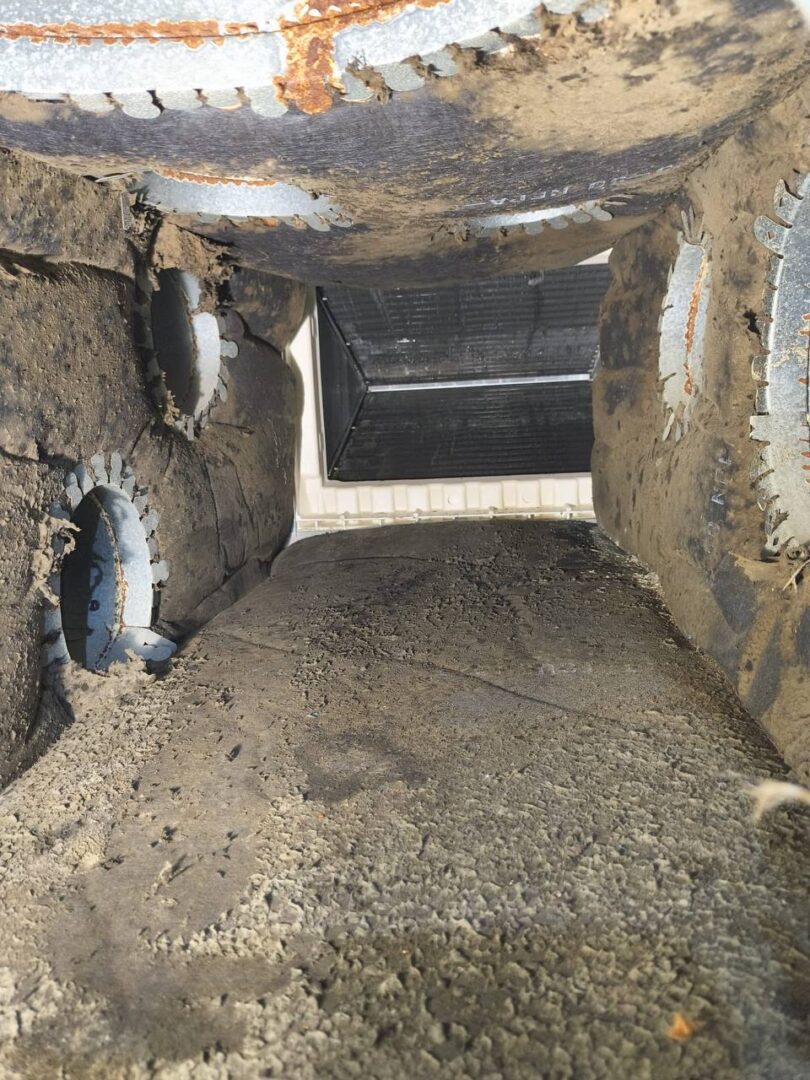
If your Houston home has recently undergone renovation — whether a full remodel, a room addition, or even relatively minor updates like new drywall or fresh paint throughout — your HVAC system has been exposed to contamination that most homeowners never think about until their family starts experiencing unexplained allergy symptoms, headaches, or respiratory irritation.
Understanding what happens to your ductwork during renovation and why post-project professional cleaning is essential will help you protect your family’s indoor air quality before you return to normal occupancy.
What Happens to Your HVAC System During Renovation
During any renovation activity, your HVAC system is pulling air from your living spaces through return vents. Even with proper containment and dust barriers in place, fine particulate matter finds its way into the ductwork:
**Drywall sanding dust** generates enormous quantities of microscopic gypsum powder that is drawn directly into return ducts. This fine dust settles on interior surfaces throughout the entire system and is almost impossible to remove through standard household cleaning methods.
**Paint particles and chemical residues** from painting, staining, and sealing work release volatile organic compounds (VOCs) into the air during application and curing. These chemical compounds are drawn into the HVAC system and settle on interior duct surfaces.
**Wood dust and sawdust** from framing, flooring, trim work, and cabinet installation enters the duct system and accumulates on the evaporator coil and interior duct surfaces.
**Insulation fibers** from insulation installation or removal are extremely fine and easily drawn into return vents where they become permanently lodged on interior surfaces.
Why the Builder’s Final Cleaning Does Not Address HVAC Contamination
When a contractor completes a renovation project, they perform a final cleaning that removes visible debris from floors, countertops, and other surfaces. This cleaning focuses on visible surfaces in living spaces. It does not address the interior of the HVAC system, which has been actively operating during the renovation and accumulating contaminants behind closed access panels and inside sealed ductwork.
The debris accumulated during renovation remains inside your system indefinitely unless it is addressed through professional source removal cleaning that specifically targets the HVAC system.
Health Risks of Post-Renovation HVAC Contamination
Construction dust and chemical residues inside your HVAC system are continuously redistributed into your living spaces every time the system cycles on. Drywall dust contains fine particulate matter that can irritate the respiratory tract. Chemical residues from paints, adhesives, and sealants release VOCs that can cause headaches, dizziness, and respiratory irritation. Insulation fibers can cause skin and eye irritation when they become airborne.
For households with children, elderly members, or individuals with pre-existing respiratory conditions, the post-renovation contamination inside an uncleaned HVAC system can produce significant health effects.
What Post-Renovation Duct Cleaning Accomplishes
Our NADCA-certified post-renovation cleaning addresses all 8 HVAC components: return ducts, evaporator coils, blower fan, heating chamber, plenum box, supply ducts, register boxes, and grills. We use source removal methods that eliminate every accessible layer of construction dust, chemical residue, and renovation debris from the interior surfaces of your system.
[Book a Free Inspection](https://crm.ahchooindoorair.com/book)
AH-CHOO! Indoor Air Quality serves Houston, Austin, San Antonio, and South Louisiana. NADCA certified. Average job time: 7 hours. 8 components cleaned every service. 38 years of experience.
Related AH-CHOO resources: Houston air duct cleaning; schedule a free inspection.