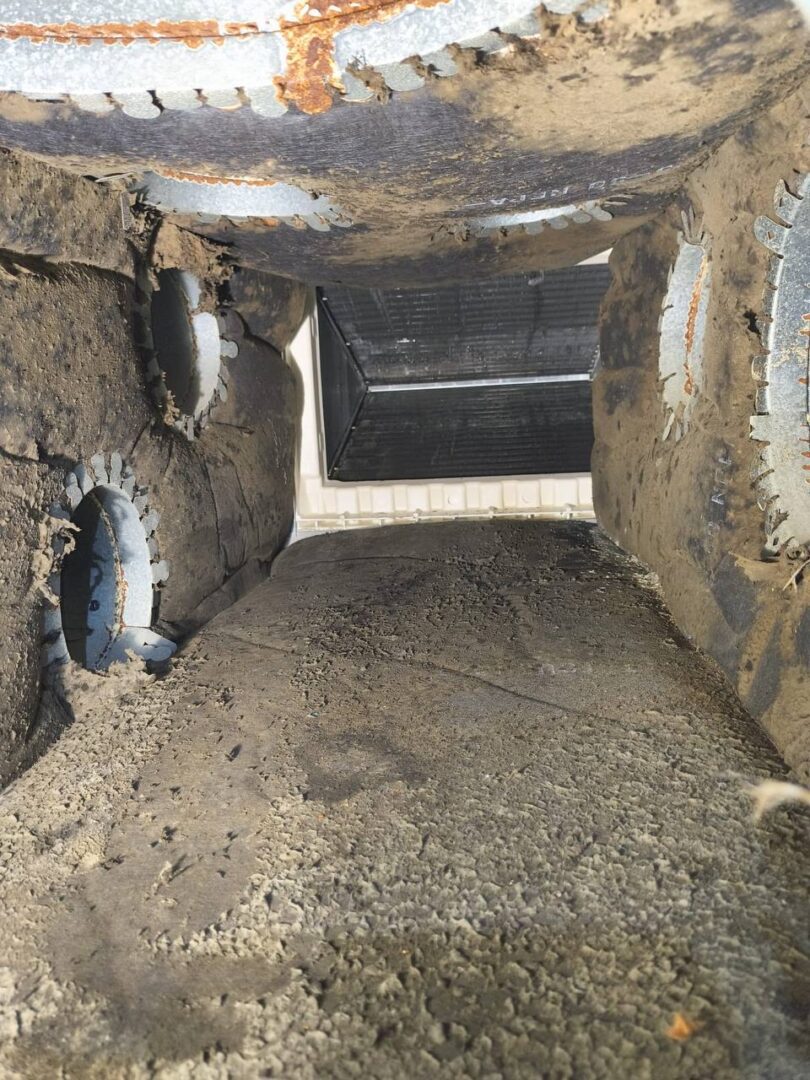
If you are a Houston-area homeowner, the threat of hurricanes and tropical storms is not an abstract concern. It is a recurring reality that shapes how you prepare your home, how you protect your family, and how you rebuild in the aftermath of every major storm event. One of the most overlooked aspects of post-hurricane home recovery is the condition of your HVAC system — specifically, the contamination and potential mold colonization inside your air ducts that results from storm-related water intrusion.
How Hurricanes and Tropical Storms Contaminate Your HVAC System
Hurricane-related contamination of residential HVAC systems occurs through multiple pathways that are often invisible from the living spaces of your home:
**Flooding and storm surge.** When floodwaters enter or surround your home, they carry contaminated water containing bacteria, mold spores, sewage material, chemical runoff, and fine sediment that infiltrates the air handler, the plenum box, ductwork, and the evaporator coil. Even if the water level never reached the occupied rooms of your home, the mechanical spaces where your HVAC system operates — the attic, the crawlspace, the garage — are frequently exposed to standing water during significant storm events.
**Roof damage from wind and falling debris.** Hurricane-force winds strip shingles, damage flashing, and create openings in the roof membrane that allow driving rain to enter the attic space where ductwork and the air handler are typically located in Houston-area construction. Water intrusion through the roof saturates flexible duct insulation, pools around the air handler cabinet, and carries contaminants directly into the duct system.
**Extended power outages.** When a hurricane causes extended power outages lasting days or weeks, the HVAC system remains idle while the humid Houston environment continues to deposit moisture inside the ductwork. Without the drying effect of normal air circulation, the interior of your HVAC system becomes a stagnant environment where mold and bacterial growth accelerates rapidly.
**Debris and particulate contamination.** Hurricanes generate enormous quantities of airborne debris including tree fragments, building material fragments, soil, and sand that are drawn into the HVAC system through outdoor unit intake, damaged vent covers, and compromised duct seals. This debris settles on interior surfaces and creates a nutrient-rich layer that supports biological growth when combined with moisture.
The Timeline for Post-Hurricane Mold Growth
The combination of moisture, organic debris, and warm temperatures inside a storm-damaged HVAC system creates conditions where mold can colonize and reach maturity within 24 to 48 hours of the initial water exposure. This is why the first action after any hurricane-related water intrusion should be a professional assessment of the HVAC system before the power is restored and the system is turned back on.
Running a contaminated system distributes mold spores, bacterial contaminants, and chemical particulates into every room the system serves. This is not a cosmetic concern. It is a health requirement that the system be professionally inspected, cleaned, and cleared for operation before any attempt to restore heating or cooling.
Post-Hurricane HVAC Inspection and Cleaning Process
Our NADCA-certified post-hurricane HVAC inspection addresses all 8 system components: return ducts, evaporator coils, blower fan, heating chamber, plenum box, supply ducts, register boxes, and grills. We document the condition of each component with photographs and written assessment, identifying mold colonization, water damage, debris contamination, and structural damage that requires repair or replacement before the system can be safely reactivated.
Professional cleaning following a hurricane event includes source removal of all accumulated debris, biofilm, and biological contamination from every accessible surface inside the system. Anti-microbial treatment is applied to affected surfaces to prevent regrowth. The average post-hurricane service takes approximately 7 hours because the contamination load from a storm event is substantially higher than the contamination that accumulates during normal seasonal operation.
Insurance Documentation
Most homeowner’s insurance policies include coverage for HVAC system damage and remediation caused by hurricanes and flooding. Our inspection and cleaning service includes comprehensive photographic documentation and written assessment reports that you can use when filing insurance claims. We recommend photographing the system’s condition before any remediation work begins and retaining copies of all inspection reports for your insurance file.
Book Your Post-Hurricane Free Inspection
If your Houston-area home was affected by a hurricane, tropical storm, or significant flooding event, do not turn on your HVAC system until it has been inspected by a professional. Schedule a free inspection today and our NADCA-certified technicians will assess the condition of all 8 components and provide an honest evaluation of what remediation is required.
Frequently Asked Questions
How does a hurricane contaminate my HVAC system?
Hurricane-related contamination occurs through multiple pathways: flooding and storm surge carry contaminated water containing bacteria, mold spores, sewage material, chemical runoff, and sediment into the air handler, plenum box, ductwork, and evaporator coil; roof damage from wind and falling debris allows driving rain into the attic where ductwork and the air handler are located; extended power outages leave the system idle while humid air deposits moisture inside the ductwork; and airborne debris is drawn in through outdoor unit intakes and compromised duct seals.
How soon can mold grow in air ducts after a hurricane?
Mold can colonize and reach maturity within 24 to 48 hours of the initial water exposure when moisture, organic debris, and warm temperatures are present inside a storm-damaged HVAC system. The first action after any hurricane-related water intrusion should be a professional assessment of the HVAC system before the power is restored and the system is turned back on.
Should I turn on my HVAC system after a hurricane?
No. Do not turn on your HVAC system until it has been inspected by a professional. Running a contaminated system distributes mold spores, bacterial contaminants, and chemical particulates into every room the system serves. The system must be professionally inspected, cleaned, and cleared for operation before any attempt to restore heating or cooling.
What does post-hurricane duct cleaning include?
A NADCA-certified post-hurricane inspection addresses all 8 system components: return ducts, evaporator coils, blower fan, heating chamber, plenum box, supply ducts, register boxes, and grills. Professional cleaning includes source removal of all accumulated debris, biofilm, and biological contamination from every accessible surface, plus anti-microbial treatment to prevent regrowth. The average post-hurricane service takes approximately 7 hours because the contamination load from a storm event is substantially higher than normal seasonal accumulation.
Does homeowners insurance cover post-hurricane duct cleaning?
Most homeowner’s insurance policies include coverage for HVAC system damage and remediation caused by hurricanes and flooding. The inspection and cleaning service includes comprehensive photographic documentation and written assessment reports that can be used when filing insurance claims. We recommend photographing the system’s condition before any remediation work begins and retaining copies of all inspection reports for your insurance file.
[Book a Free Inspection](https://crm.ahchooindoorair.com/book)
AH-CHOO! Indoor Air Quality serves Houston, Austin, San Antonio, and South Louisiana. NADCA certified. Average job time: 7 hours. 8 components cleaned every service. 38 years of experience.
Related AH-CHOO resources: Houston air duct cleaning; schedule a free inspection.