# What Home Inspectors Look For in HVAC Systems: The Houston Edition
When you hire a home inspector in Houston, they’re looking at dozens of systems in the property. But the HVAC system — the system that controls the air your family breathes — gets special attention. And in a market like Houston, where humidity, heat, and construction dust are relentless, inspectors know exactly what to look for when they open that access panel.
Here’s what a professional home inspection typically reveals about your HVAC system, why each finding matters, and what you can do about it before buying or selling.
The Access Panel Check: What Inspectors See First
The first thing an inspector does during an HVAC inspection is remove the access panel on the air handler. What they see inside tells them a lot about how the system has been maintained and whether there are hidden problems.
Dust and debris on the blower fan: If the blower fan blades (the squirrel cage wheel) are coated with a thick layer of dust and grime, it tells the inspector that the system hasn’t received regular maintenance. A dirty blower moves less air, strains the motor, and throws accumulated particulates into every room in the house.
Mold on the evaporator coil: In Houston’s climate, this is one of the most common findings. Evaporator coils get cold during A/C cycles, and condensation forms on their surface. When that moisture meets dust and organic matter that’s accumulated on the coil, mold grows. Inspectors look for visible mold on the coil surface, the drain pan, and the inside of the access panel itself.
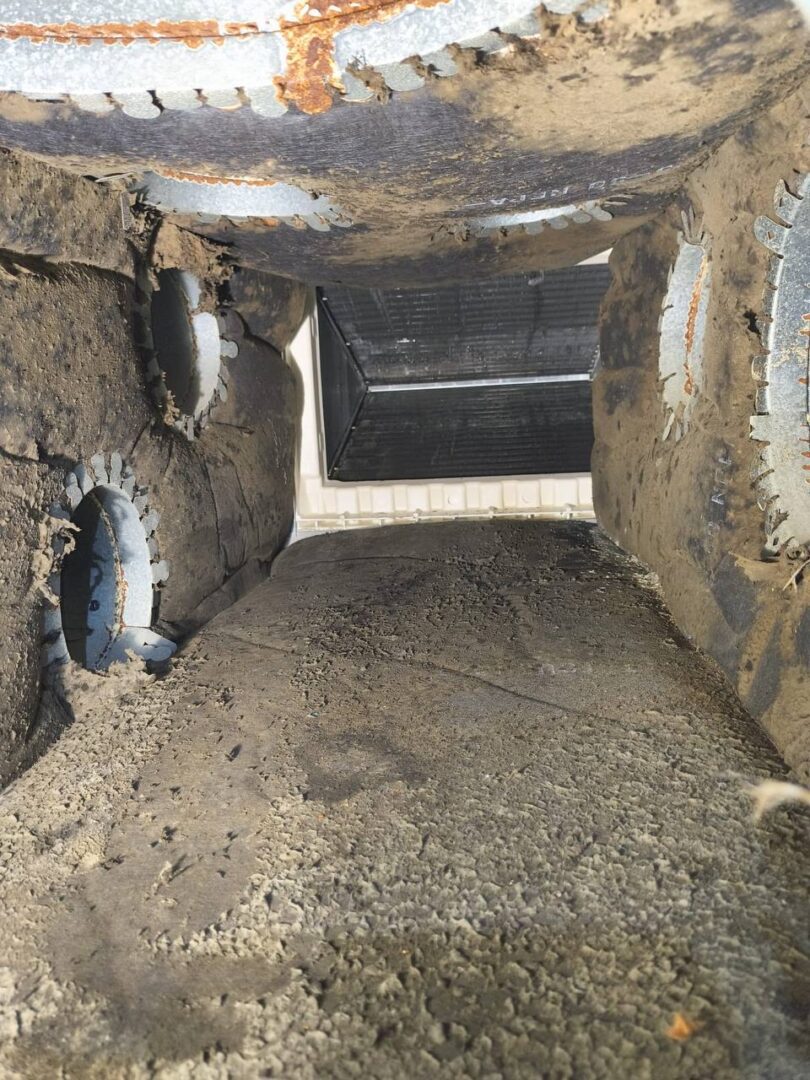
Debris in the plenum box: The plenum — the transition space between the air handler and the duct system — collects the most concentrated debris in the entire HVAC system. Inspectors often find layers of dust, pet hair, and in older homes, even nesting material from rodents that entered through the ductwork.
Condition of the drain line: The condensate drain line removes moisture from the evaporator coil. When it clogs, water backs up into the drain pan and can overflow into your home’s structure, creating water damage and mold conditions. Inspectors check for proper drainage and will flag any issues.
Filter condition: A dirty or missing filter is an immediate red flag. Beyond just air quality, a clogged filter restricts airflow and forces the entire system to work harder.
What an Inspector Can’t See (And Why It Matters)
Here’s the critical gap: a standard home inspection evaluates the HVAC system at the access panel level. But the inspector doesn’t crawl through your ducts. They don’t clean out the supply branches, the return ducts, the register boxes, or the grills. They see a slice of the system and make inferences from it.
If there’s mold on the evaporator coil, chances are there’s contamination in the ducts downstream from that coil. If the blower fan is heavily coated, the air passing through it is redistributing that contamination throughout the home. The inspector notes what they can see — and the unseen contamination continues to affect air quality regardless.
This is exactly why a professional duct cleaning, performed by a NADCA-certified technician who can access and clean all 8 components of the system, provides something a home inspection alone cannot: remediation of the problems the inspector identified.
The Houston-Specific Findings
Houston home inspectors see patterns unique to the Gulf Coast market:
Elevated indoor humidity contributing to coil mold: Houston’s average indoor humidity frequently exceeds 60%, which is the threshold where mold growth becomes favorable on HVAC surfaces. Inspectors in Houston flag mold on coils far more often than inspectors in drier climates.
Construction dust in newer homes: Houston’s ongoing construction boom means inspectors frequently find drywall dust, silica, and caliche limestone powder inside ducts of homes built in the last five to ten years. This debris was pulled into the duct system during construction and has been circulating ever since.
Older homes with never-cleaned ducts: Houston’s housing stock includes many homes from the 1970s through 1990s that have never had professional duct cleaning. Twenty to forty years of accumulated dust, pet dander, and biological material inside an unclosed-loop system is significant.
Insulation degradation in attics: Houston attics reach extreme temperatures, and deteriorating duct insulation in the attic allows warm, humid attic air to enter the supply ducts — creating another pathway for contamination.
If You’re Buying a Home: What to Ask
When you’re the buyer, the inspector’s HVAC findings should inform your negotiation. Key questions:
- Is there visible mold in the HVAC system? If so, request a professional mold remediation estimate before closing.
- Is there heavy debris accumulation that suggests systemic contamination? Factor duct cleaning into your closing cost credits.
- Is the filter clogged or missing? This often indicates the entire system has been neglected, not just the filter.
A professional duct cleaning after purchase — before you move your belongings in and start living in the space — is one of the highest-value investments you can make in your new home’s air quality.
If You’re Selling a Home: Pre-Sale HVAC Cleaning
Sellers who proactively clean their HVAC system before listing are ahead of the game. A NADCA-certified cleaning addresses all the items an inspector will flag at the access panel and goes several steps further by cleaning the entire duct network that the inspector cannot access.
Having a certificate of service from a NADCA-certified company also provides buyers with documented evidence that the system has been professionally maintained — which reduces negotiation leverage during the inspection period.
What a Full 8-Component Cleaning Covers
When we clean a home’s HVAC system, we address all 8 components:
- Return air ducts — the main intake drawing air from every room
- Evaporator coils — the cooling surface where mold is most likely to form
- Blower fan — the motor that moves air; a dirty blower spreads contamination
- Heating chamber — the heat exchange surface requiring debris removal
- Plenum box — the concentrated debris collection point between handler and ducts
- Supply ducts — every branch line from the main trunk to each register
- Register boxes — the termination point in each room
- Grills — the visible vent covers requiring washing and sanitization
Our cleaning takes approximately 7 hours per residential job. This is the time required to do all 8 components properly. There is no shortcut — and any service offering to complete this in 2-3 hours is compromising on scope.
After the Inspection: Your Next Steps
Whether you’re buying or selling a home in Houston, an HVAC inspection is only the beginning. It tells you what’s visible. Addressing what’s invisible — the contamination inside the ducts, on the coils, and in the blower — is what makes the air in your home genuinely clean.
Book your free inspection today. We’ll document exactly what’s in your HVAC system before any cleaning begins, so you know precisely what you’re getting.
AH-CHOO! Indoor Air Quality — NADCA certified. 38 years of experience. One job per day, all 8 components, every job. Serving Houston, Austin, San Antonio, and South Louisiana.
Related: Air duct cleaning across Houston suburbs.
Related AH-CHOO resources: Houston air duct cleaning; schedule a free inspection.