What Is the IICRC S520 Standard?
The IICRC S520 — formally known as the ANSI/IICRC S520 Standard for Professional Mold Remediation — is a procedural standard developed by the Institute of Inspection, Cleaning and Restoration Certification (IICRC). It describes the exact steps and precautions professionals must follow when performing mold remediation in residential, commercial, and institutional buildings. The most recent edition, ANSI/IICRC S520-2024, covers the full scope of mold work: from initial inspection and containment to remediation techniques, clearance testing, and documentation. It applies not just to walls and flooring, but also to HVAC systems, air ducts, and personal property inside affected structures. Think of S520 as the rulebook. A contractor who follows it is operating at a verified professional standard — not guessing.The Core Principle: Source Removal
At the heart of the IICRC S520 is one foundational principle: source removal. Mold doesn’t disappear with bleach or encapsulation. S520-compliant remediation requires physically removing contaminated material, cleaning affected surfaces, and verifying that mold counts return to acceptable levels. This matters enormously for HVAC systems and air ducts. When mold colonizes inside ductwork, spraying a surface treatment on the outside walls is not remediation — it’s cosmetic. True S520-compliant mold remediation for an HVAC system means accessing the interior, removing contamination at the source, and confirming the result with post-clearance testing.What the S520 Covers — and What It Doesn’t
The S520 standard is procedural, meaning it tells professionals how to remediate — not necessarily what caused the mold in the first place. According to S520-2024, determining and correcting the underlying moisture source is the responsibility of the property owner or their agent. The remediator’s job is to fix the contamination problem; addressing the root cause (a leaking pipe, poor HVAC drainage, high indoor humidity) falls to the building owner. This distinction is critical. Even the best mold remediation won’t last if elevated moisture levels remain. In Houston and coastal Louisiana, where humidity regularly exceeds 70–80%, HVAC systems that aren’t properly maintained create recurring mold conditions year after year. Key areas the S520 standard addresses:- Work area containment — Preventing mold spores from spreading to unaffected areas during remediation
- Personal protective equipment (PPE) — Worker safety requirements based on contamination level
- Source removal techniques — How to physically remove mold from various materials including HVAC components
- Clearance criteria — Post-remediation verification standards to confirm the work is complete
- Documentation requirements — Written records of conditions found, work performed, and clearance results
Why the S520 Standard Matters for HVAC and Air Duct Mold
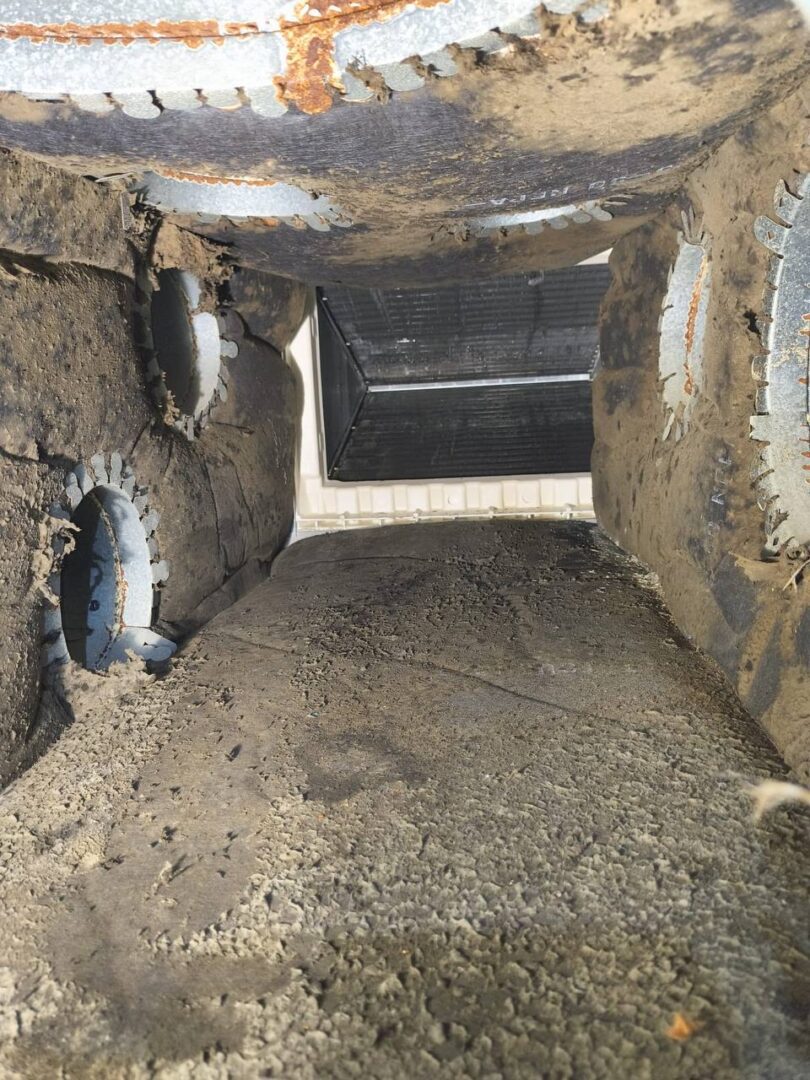
HVAC systems are one of the most vulnerable places for mold growth in any building. Dark, humid, temperature-variable environments with organic debris (dust, skin cells, pollen) create ideal mold conditions inside ductwork, evaporator coils, and air handlers. When a system runs contaminated air through 1,500 square feet of living space, occupants breathe those spores continuously. S520-compliant remediation for HVAC mold requires more than pulling out a vent cover and wiping it down. A properly trained professional will:- Assess the full extent of contamination before beginning work
- Contain the work area to prevent cross-contamination
- Use negative air pressure and HEPA filtration during cleaning
- Remove contaminated material — not just treat it in place
- Verify clearance with post-remediation testing
- Document everything in writing
IICRC S520 vs. NADCA Standards — How They Work Together
The IICRC S520 governs mold remediation. The NADCA (National Air Duct Cleaners Association) standard — ACR, the Assessment, Cleaning and Restoration of HVAC Systems — governs professional air duct cleaning. These two standards are complementary, not competing. When a home or building has both mold contamination AND dirty ductwork, a complete job addresses both. NADCA-certified contractors follow ACR standards for thorough mechanical cleaning of the HVAC system, while S520-certified remediators handle any confirmed mold present. In many cases, an experienced team holds both credentials and can address the full scope of work. AH-CHOO! Indoor Air Quality is NADCA certified with over 38 years in the industry. Our 7-hour full-system cleaning process goes well beyond vacuuming vents — we access the entire HVAC system from supply to return, inspect for mold conditions, and document findings for every job. We take on one job per day so your home gets our full attention, not a rushed hour between three other stops.What Homeowners Should Ask Before Hiring a Mold Remediation Contractor
Not everyone who claims to do “mold remediation” follows the IICRC S520 standard. Before hiring anyone to address mold in your home or HVAC system, ask these questions:- Are you IICRC certified in mold remediation? Verify with the IICRC’s online directory.
- Do you perform post-clearance testing? If the answer is no, the job isn’t finished.
- Will you document the scope of work and results in writing? S520 requires this.
- What containment procedures do you use? Spreading spores during cleanup causes more damage than the original mold.
- Do you address the HVAC system separately? If mold is in the ducts, surface remediation alone won’t protect air quality.
Schedule a Free Inspection
If you’re concerned about mold in your HVAC system, air ducts, or anywhere in your home, AH-CHOO! Indoor Air Quality offers free inspections. Our NADCA-certified team has spent nearly four decades diagnosing and resolving indoor air quality problems across Houston, Austin, and Louisiana — and we follow industry standards, not shortcuts. Schedule your free inspection today and get a clear picture of what’s actually happening inside your system.Related: signs of mold in Houston air ducts | Houston HVAC mold risk after spring rain | free inspection
Related AH-CHOO resources: commercial air duct cleaning; schedule a free inspection.
Learn more about IICRC S520 mold remediation services.