For more on Houston indoor air quality and HVAC care, see what spring pollen does to Houston indoor air.
For more on Houston indoor air quality and HVAC care, see how Houston’s outdoor air pollution gets inside your home.
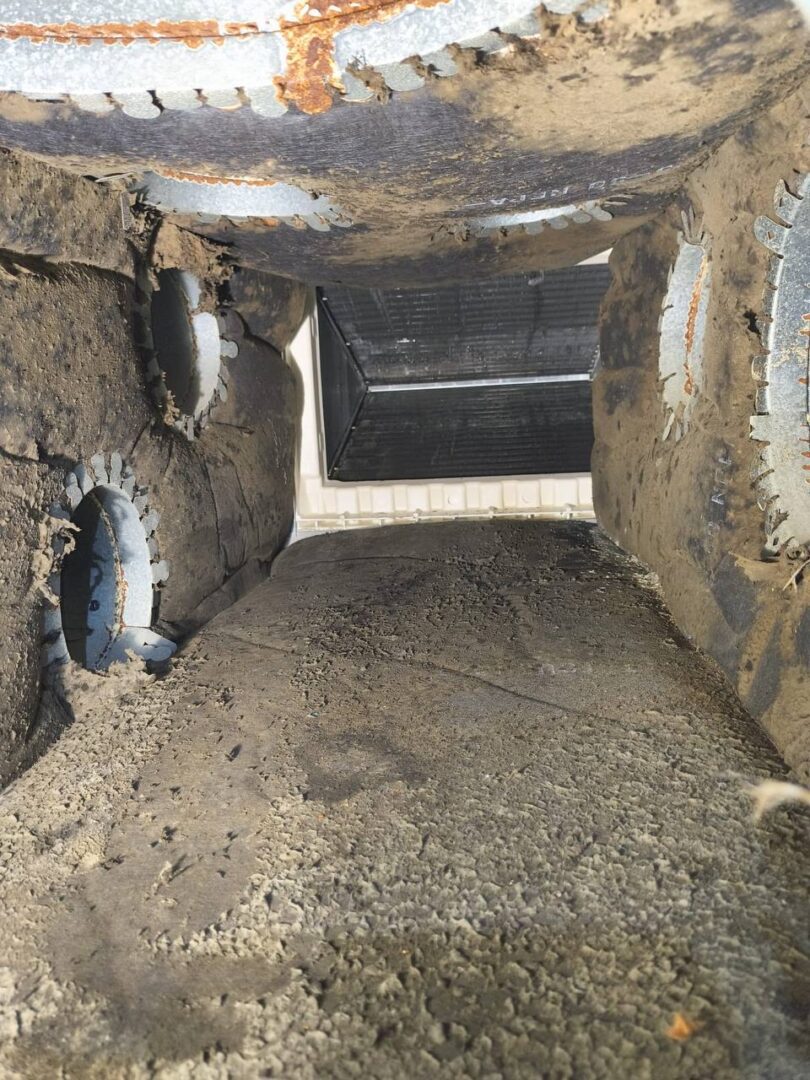
What happens to Houston air ducts during spring allergy season is something most homeowners never see — but they feel it every day. From March through June, Houston’s HVAC systems silently collect oak pollen, grass pollen, mold spores, and fine particulate matter inside ductwork. Every time the air conditioner cycles on, it pulls air past that accumulated layer and redistributes allergens through every room in the house. If your indoor allergy symptoms are worse than your outdoor exposure would suggest, your duct system may be the reason.
Why Spring Is the Highest-Risk Season for Houston Ductwork
Houston’s climate creates a perfect allergen accumulation environment:
- Extended pollen season: Cedar pollen begins in January. Oak runs March through April. Grass pollen (Bermuda, Johnson, Timothy) peaks April through June. Houston’s warm subtropical climate means these seasons start earlier and last longer than in northern cities.
- Persistent humidity: Harris County’s average relative humidity routinely exceeds 70%. That moisture creates favorable conditions for mold growth at the evaporator coil, in low-velocity duct segments, and anywhere moisture condenses inside the system.
- Long AC running season: Houston residents run their air conditioning far more than the national average. More HVAC cycles means more air movement across accumulated allergens, more recirculation, and more opportunity for fine particles to adhere to interior duct surfaces.
- High outdoor particle load: Houston ranks among the most polluted metro areas in the country for outdoor air quality. That particulate matter and ozone enters homes through every opening — including HVAC fresh air intakes — and adds to what’s already accumulating in ductwork.
What Actually Happens Inside Your Ducts During Pollen Season
Understanding the mechanism helps explain why duct cleaning matters specifically in Houston’s spring context.
Your HVAC system pulls return air from throughout your home — from every room with a return grille. That air carries everything floating in your indoor environment: pollen tracked in on shoes and clothes, pet dander, skin cells, and mold spores released by household sources or brought in from outside. As this air travels through the return ductwork toward the air handler, particles slow down and some of them drop out of suspension — adhering to duct walls, accumulating at bends and low-velocity sections, and coating the air handler interior.
The evaporator coil is particularly problematic during spring. Houston’s humidity means the coil surface stays wet during cooling cycles, creating a sticky surface that captures pollen and mold spores. As pollen season intensifies in April and May, this wet layer grows. Standard coil maintenance — let alone filter changes — does not address the accumulated biological material at the coil surface.
From there, conditioned air blows back through supply ducts toward your living spaces. But it passes over any accumulated debris in the supply ductwork first. Fine particles — particularly pollen, which is extremely small and light — become airborne again during this transit and enter your breathing zone through supply registers.
The Symptom Pattern That Points to Ducts
Duct-related allergen recirculation produces a recognizable pattern. If you notice any of these during Houston’s spring season, your duct system deserves attention:
- Allergy symptoms that are worse indoors than when you are outside in the same weather
- Symptoms that spike when the AC or heater first turns on, then gradually improve
- Visible dust or fine particles coming from supply registers during high-flow periods
- Musty or earthy smell when the AC runs — a sign of mold at the coil or in ductwork
- Allergy symptoms that return year after year despite good outdoor habits (keeping windows closed, showering after outdoor exposure)
Why Filter Changes Alone Are Not Enough During Spring
Filters are the first line of defense, not the complete solution. A high-MERV filter captures fine particles before they enter the supply side — but it does nothing about:
- Debris already adhered to the interior walls of return and supply ductwork
- Pollen and mold accumulated at the evaporator coil
- Buildup inside the air handler cabinet and blower wheel
- Material at bends, joints, and low-velocity duct sections that has accumulated over years
Changing your filter more frequently during pollen season is the right move — but it’s maintenance, not remediation. If your duct system has years of accumulated allergens, a filter upgrade doesn’t clear that history.
The Case for a Full System Clean Before Peak Season
A NADCA-certified full system clean removes the accumulated baseline before Houston’s worst pollen window arrives. When we’ve been in Houston homes in late spring, the material we extract from ductwork is a visible mixture of dust, biological material, and what are — under the right conditions — identifiable pollen particles.
AH-CHOO! Indoor Air Quality’s full system clean takes a full 7 hours. We address the complete system: supply and return ductwork, air handler interior, blower wheel, coil access area, and all registers. After 38 years in Houston, we know what spring accumulation looks like — and we know the difference between a home where the system has been properly cleaned and one where it hasn’t.
If you want to know what’s in your system before committing to anything, we offer free inspections. Come see it yourself.
FAQ: Houston Air Ducts and Spring Allergy Season
What accumulates in Houston air ducts during spring allergy season?
Oak and grass pollen, mold spores (encouraged by Houston humidity), fine particulate matter from outdoor air pollution, pet dander, and dust all accumulate inside ductwork during spring.
Why do allergy symptoms often feel worse indoors in Houston during spring?
Because your HVAC system pulls indoor air across accumulated allergens in the ductwork and recirculates them. Running the AC can worsen indoor allergen exposure if ducts contain significant buildup.
Can running the AC during allergy season make allergies worse?
Yes, if ducts contain accumulated pollen and debris. Every HVAC cycle pulls air past that buildup and redistributes allergens through the home.
Does a filter change protect against duct allergen buildup?
Filter changes help capture airborne particles before they enter the system, but do nothing about debris already adhered to duct walls, coil surfaces, and the air handler interior.
When should Houston homeowners schedule duct cleaning for allergy season?
Late March to mid-April is ideal — after winter buildup and before the peak oak-grass pollen overlap window in April–May.
How does AH-CHOO! clean ducts during allergy season?
A full 7-hour NADCA-certified system clean covering all supply and return ductwork, air handler, blower wheel, evaporator coil area, and all registers — removing allergen buildup from the entire system.
AH-CHOO! Indoor Air Quality. NADCA certified. 38 years in Houston. Free inspections available — schedule yours here.
Related AH-CHOO resources: Houston air duct cleaning.