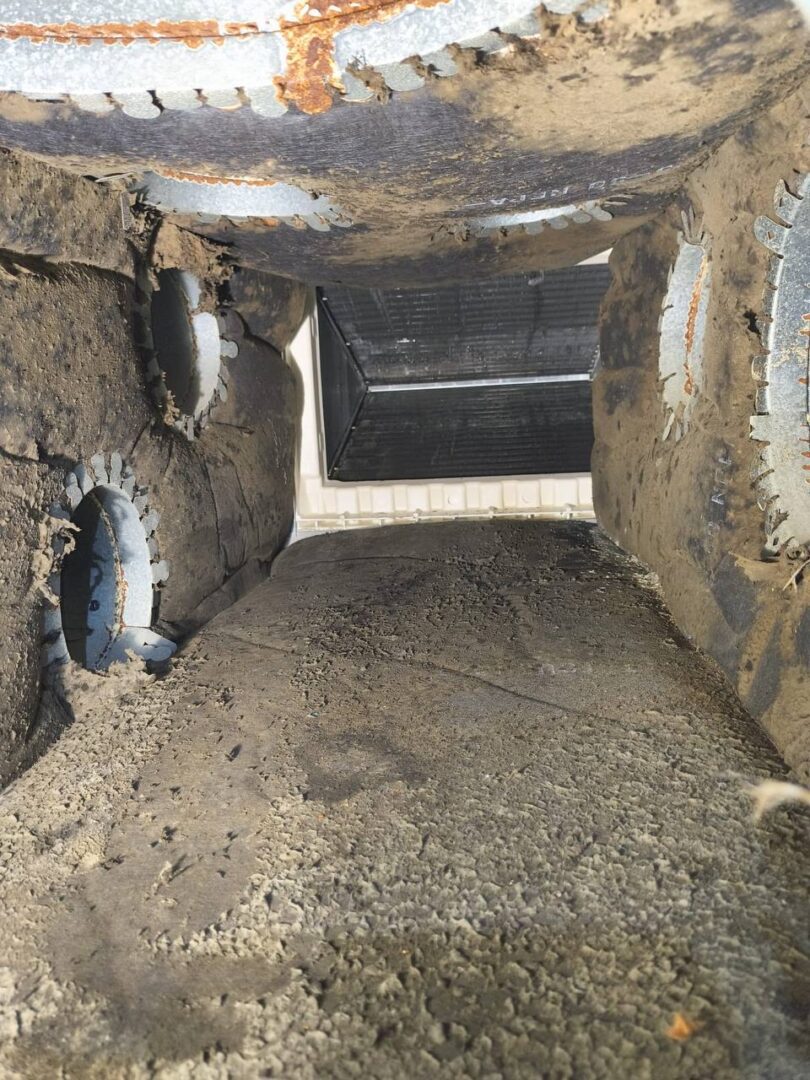
Air duct cleaning is worth it in Houston TX in ways that the national “probably not” consensus doesn’t account for. Houston’s combination of near-year-round humidity, an 11-month compound pollen season, and Gulf Coast evaporator coil mold risk creates HVAC contamination conditions that make professional cleaning more justified here than in virtually any dry or four-season market in the country. The question isn’t whether duct cleaning is worth it in general: it’s whether Houston’s specific conditions change the math. They do.
Why the National “Probably Not” Argument Doesn’t Apply in Houston
Most of the skepticism about duct cleaning comes from national sources and HVAC technicians who work in markets with short pollen seasons and low humidity. Their reasoning is sound for those conditions: if your system runs a few months a year in dry air, contamination accumulates slowly and a filter change handles most of it.
Houston is not that market. Consider what your HVAC system runs through here:
- Mountain cedar pollen: December through February, some of the highest airborne concentrations in North America
- Oak and elm pollen: March through May, currently at or near seasonal peak
- Grass pollen: June through October
- Ragweed: August through November
- Humidity: 60-80% average relative humidity from April through October, creating persistent condensation on evaporator coils
Your HVAC system runs approximately nine to ten months per year in Houston. Every cycle pulls that pollen through the return, deposits it on the blower wheel fins, and packs it into duct surfaces. By late March, a Houston system has processed the full cedar season plus the start of oak season without a break. That accumulation doesn’t disappear when you change the filter.
The Mold Variable That Changes the Calculation
One of the most common Reddit answers to “is duct cleaning worth it” is: “unless you have mold, you probably don’t need it.” In Houston, that caveat carries more weight than people realize.
The evaporator coil in a Gulf Coast HVAC system sits in near-permanent condensation from spring through fall. In high-humidity climates, biological growth on evaporator coils is not a hypothetical: it is a documented outcome that HVAC specialists encounter regularly in this region. A Houston homeowner who has never had their system professionally cleaned and is asking whether it’s “worth it” may be asking the question from inside a system that already has a problem they can’t see.
A NADCA ACR-standard cleaning addresses the evaporator coil area directly. A shop-vac pass through supply registers does not reach it. This is the distinction that matters in a humid climate and that national “worth it” articles never make.
When Duct Cleaning Is Clearly Worth It in Houston
Two Houston homeowner profiles generate the “is it worth it” question most often, and for both the answer is yes:
- You bought an older Houston home (pre-2000) and your HVAC hasn’t been professionally cleaned. Houston homes from this era have ductwork that has processed decades of Gulf Coast pollen and humidity. If you moved in and your allergies immediately worsened, the system is redistributing what it has accumulated. A first cleaning on a Houston home that hasn’t been serviced in ten or more years routinely reveals compound buildup that surprises even experienced homeowners.
- You are in a newer Houston-area home (built 2010 or later) that has never been professionally cleaned. New construction HVAC systems go through the entire build process with ductwork open. Drywall dust, sawdust, and joint compound particles coat interior duct surfaces before the first occupant moves in. Add five or more cedar-to-grass pollen cycles and you have compound accumulation that began before you took possession of the home.
Related: Houston spring HVAC checklist: what to do before summer cooling begins | How to verify NADCA certification before hiring a Houston duct cleaning company
Why March and April Is the Right Window to Decide
If you are asking whether duct cleaning is worth it right now, in late March or April in Houston, the timing is significant. Your system has just completed the full mountain cedar season and is currently running through oak pollen peak. This represents the highest annual contamination load your blower wheel and duct surfaces carry before summer begins.
Houston’s summer cooling season runs from roughly May through October. A system that enters that nine-month continuous run with a cedar-to-oak compound buildup on the blower wheel will redistribute that accumulation at high intensity through every cooling cycle. Cleaning before summer removes the peak load before it compounds further. Waiting until fall means running through the full summer on a contaminated system.
AH-CHOO! Indoor Air Quality has been NADCA certified for 38 years and serves Houston and the greater Houston metro. Every residential service follows the NADCA ACR standard: full-system source removal covering all supply and return ductwork, the blower wheel and air handler interior, the evaporator coil area, all plenums, and all registers. One job per day, approximately seven hours per service. Before-and-after documentation on every job. Schedule a free inspection to see what your system currently looks like inside.
Frequently Asked Questions
Is duct cleaning worth it in Houston TX?
Yes, particularly for Houston homeowners given the region’s specific conditions. Houston’s near-year-round pollen seasons, 60-80% average summer humidity, and Gulf Coast evaporator coil mold risk create HVAC contamination at a rate that outpaces dry or four-season climates. The national “probably not” consensus is based on conditions that don’t apply in Houston. Homes that have never been professionally cleaned, homes over 10 years old, and homes where allergy symptoms are consistently worse indoors than outdoors are strong candidates for a NADCA ACR-standard cleaning.
How often should Houston homeowners clean their air ducts?
Every two to three years is appropriate for most Houston homes, compared to the national recommendation of every three to five years. The higher cleaning frequency is justified by Houston’s compound pollen seasons and elevated humidity, which accelerate contamination relative to national averages. Homes with pets, recent construction, or known allergy triggers benefit from the shorter interval.
Does Houston humidity cause mold in HVAC ducts?
Houston’s humidity creates persistent condensation on evaporator coils, which is the highest-risk site for biological growth in Gulf Coast HVAC systems. A system that has never been professionally cleaned and has operated through multiple Houston summers has a meaningful probability of biological growth in the coil area. A NADCA ACR-standard cleaning addresses the evaporator coil directly. A standard duct vacuuming service does not reach it.
What is the best time of year for duct cleaning in Houston?
March through May is the highest-impact window. By late March, Houston HVAC systems have processed the full cedar pollen season plus the beginning of oak pollen peak, representing the highest annual contamination load. Cleaning before summer’s nine-month continuous cooling run removes that peak buildup before it compounds further. Spring is the optimal cleaning window for Houston homeowners.
What does NADCA-certified duct cleaning cover that standard cleaning doesn’t?
A NADCA ACR-standard cleaning covers all supply and return ductwork, the blower wheel and air handler interior, the evaporator coil area, all plenums and transitions, and all registers. Standard cleaning services in Houston typically vacuum only accessible supply register openings. The blower wheel, evaporator coil, and plenum are where Gulf Coast contamination concentrates most heavily and where standard cleaning never reaches.
How do I know if my Houston home needs duct cleaning?
Strong indicators include: allergy symptoms consistently worse indoors than outdoors during cedar or oak season; dust reappearing on surfaces within 24-48 hours of cleaning even with a clean filter; a musty or stale smell when the HVAC first cycles on; visible debris at supply registers; or more than five years since the last professional cleaning. A free inspection confirms current contamination levels without obligation. Schedule here.
AH-CHOO! Indoor Air Quality is NADCA certified and has served Houston for 38 years. Contact us for a free inspection.
Related AH-CHOO resources: Houston air duct cleaning; schedule a free inspection.